With the college entrance examination approaching, many girls expect their period to start during the exam period. They worry that menstrual symptoms such as dysmenorrhea and irritability will affect their performance, so they hope to postpone their period.

While menstruation can be annoying, not every girl who gets her period during the college entrance exam period needs to force it to "reschedule." For students who don't experience significant discomfort during their periods and aren't affected by excessive menstrual flow, it's not recommended to make too many adjustments, as this could disrupt normal hormone levels and cause other problems.
Girls experiencing premenstrual syndrome can consider taking the following measures to avoid their menstrual period during the college entrance examination period:
1. Taking short-acting oral contraceptives

Taking short-acting oral contraceptives a month before the college entrance examination is a relatively safe and reliable method. Generally, you should start taking them within the first 5 days of your menstrual period in the month before the exam and stop taking them after the exam. Menstruation usually occurs within a week of stopping the medication.
However, be aware of the side effects: birth control pills contain estrogen and progesterone, and initial use may cause nausea, vomiting, breast tenderness, and other discomfort. Furthermore, they are not suitable for obese individuals, those over 35 years of age who smoke, those with a history or family history of deep vein thrombosis, those with chronic migraines, those with neurological disorders, or breastfeeding women.
2. Taking a large dose of progesterone
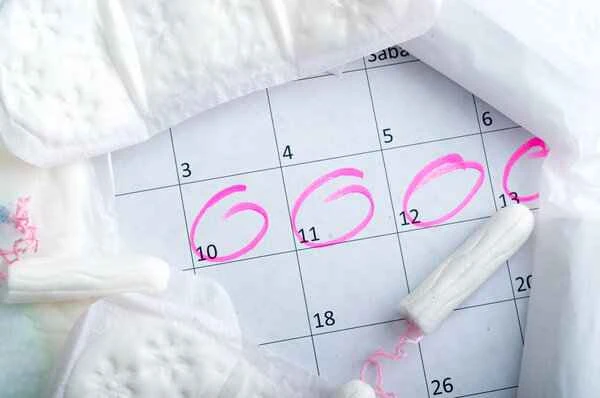
Oral progesterone may be effective even 1-2 days before menstruation. Take 4-5 tablets 2-3 times daily. After 3 days, reduce the dosage by one-third every three days until a daily dose of 4-5 tablets is maintained. Menstruation usually occurs 3-5 days after stopping the medication.
However, because this method uses a larger dose of hormones than the former, the drug reactions may be more severe. Also, compared to oral short-acting contraceptives, it has a disadvantage: it requires more accurate prediction of the next menstrual period, and is not suitable for women with irregular menstrual cycles.
Finally, a special reminder: these methods are not suitable for all girls, and they may also have side effects. If you don't experience any discomfort during your period, it's recommended to just go for the exam directly. Otherwise, taking these methods might backfire and do more harm than good.