For Ms. Zhou, 2019 was the darkest year of her 40 years of life. In early July , she went to the hospital for a checkup due to abdominal pain and was unexpectedly diagnosed with colon cancer. Unexpectedly, a month later, her husband was also diagnosed with colon cancer.
In just two months, their lives changed dramatically. Upon learning of the situation, their daughter had to quit her job and return home to care for them.
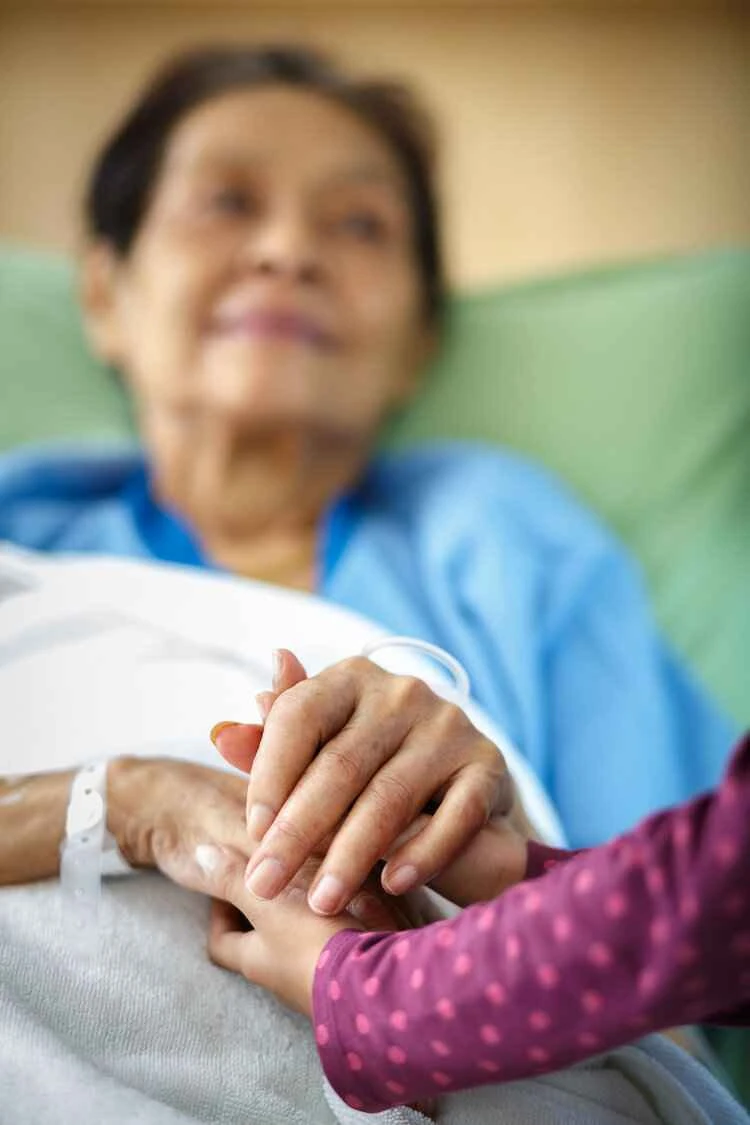
In recent years, cases of cancer in couples and families have become increasingly common. Does this mean that cancer is indeed contagious?
1. Cancer itself is not contagious, but poor dietary habits and viruses can be .
Cancer is not contagious because it is not caused by a specific pathogen, but rather by gene damage or mutation in cells due to the combined effects of multiple factors. Familial cancers are often caused by the interaction or contagion of external factors, such as unhealthy lifestyle habits and carcinogenic bacteria.
First, unhealthy lifestyle habits are contagious.
Generally speaking, lifestyle factors have the most significant influence on cancer development, accounting for approximately 60% of cases. Family members who live together for extended periods in the same environment, whose lifestyles and dietary habits influence and assimilate each other, are more likely to develop the same cancers under the long-term influence of the same carcinogenic factors.

For example, if everyone in a family enjoys spicy and hot food, they are all at risk of developing esophageal cancer. Or, if someone in the family smokes and the whole family is exposed to secondhand smoke, they are all at risk of developing lung cancer. Some studies have found that digestive tract cancers are the most common type of " family cancer, " which also demonstrates the close relationship between family life and dietary habits and " family cancer . "
Second, some viruses and bacteria can be contagious.
While cancer itself is not contagious, the viruses and bacteria that cause it are. The probability of family members being infected with the same type of virus or bacteria is very high, so it is not impossible for them to develop the same type of cancer.
The International Agency for Research on Cancer (IARC) has pointed out that about one-sixth of cancers worldwide are caused by viral and bacterial infections. The four most common types we encounter in our daily lives are: Hepatitis B virus ( HBV ), Helicobacter pylori ( Hp ), human papillomavirus ( HPV ), and Epstein-Barr virus (EBV, or human herpesvirus 4 ).
Hepatitis B virus is transmitted through blood, mother-to-child transmission, and sexual contact. It increases the probability of developing liver cancer. Viral hepatitis can develop into cancer through three processes: hepatitis , cirrhosis , and liver cancer . Data shows that about 70% to 80% of liver cancers develop from hepatitis B, so hepatitis B virus can be considered a part of liver cancer.

Helicobacter pylori is transmitted through the mouth and saliva, resulting in significant familial aggregation. It is closely related to the development of gastric cancer and has been classified as a Group 1 carcinogen. It damages the gastric mucosa, causing it to undergo repeated damage and repair processes, which can lead to mutations and the development of gastric cancer.
Human papillomavirus (HPV) is sexually transmitted and is a known cause of cervical cancer. Vaccination can effectively prevent its spread.
The carcinogenic risk of Epstein-Barr virus (EBV ) has received increasing attention from the medical community in recent years. Transmitted through saliva, it can remain dormant in the body for a long time and is closely related to the development of nasopharyngeal carcinoma and lymphoma. It may also be associated with stomach cancer, lung cancer, breast cancer, cervical cancer, and other cancers. Therefore, families should pay close attention to oral hygiene, the cleanliness and disinfection of tableware, and adults should avoid kissing young children, as this is also a significant route of EBV transmission.
2. Some cancers are hereditary.
As mentioned earlier, the root cause of cancer is gene mutation in human cells. This intrinsic factor cannot be transmitted to others, but it can be inherited.
However, what we usually refer to as the heritability of cancer is only the inheritance of a susceptibility to cancer, not the direct inheritance of a disease-causing gene. Only a few rare types of cancer are truly caused by inherited disease-causing genes, and their incidence is very low. There are more than 30 types of cancer that may have a hereditary susceptibility, of which 8 are relatively common:
Approximately 5% to 10% of breast cancer cases are related to the susceptibility genes brca1 and brca2. Generally, if a mother or sister in a family has breast cancer, the risk of their daughter or other sisters developing breast cancer increases by about three times.

About 20 to 25% of ovarian cancers are epithelial ovarian cancers, which are related to genetic factors. The risk of developing ovarian cancer is also increased in first-degree female relatives of patients.
Some colorectal cancers develop from familial adenomatous polyposis, a genetic factor that increases the risk of first-degree relatives developing colorectal cancer to 50%.
About 10% of patients with gastric cancer show a clear familial clustering tendency. Family members with a history of gastric cancer have a 2 to 3 times higher probability of developing gastric cancer than the general population.
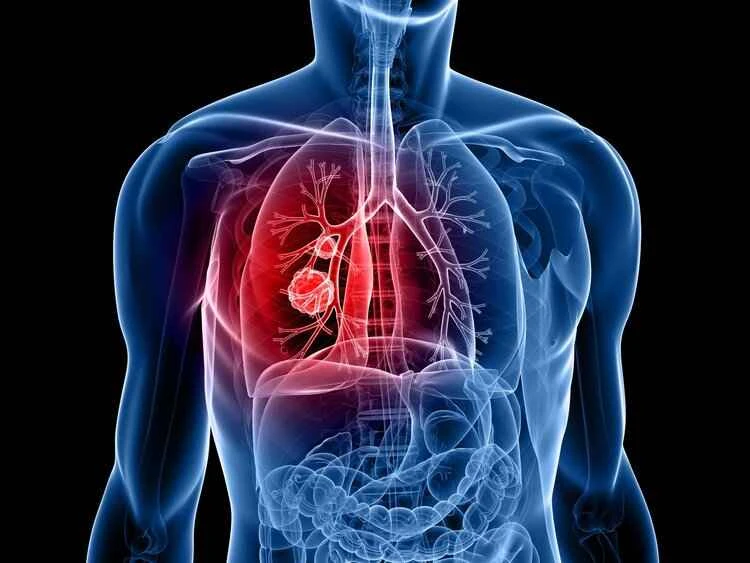
One type of lung cancer, squamous cell carcinoma, has a familial clustering rate of about 35.8%; another type, alveolar cell carcinoma, also has a family history of lung cancer in about 58.3% of female patients.
About 5% of endometrial cancer cases are caused by genetic factors, and the average age of onset for these patients is 10 to 20 years younger than that for other endometrial cancer patients.
About 5% to 10% of pancreatic cancer patients also have a family history of pancreatic cancer. Their family members have a significantly increased risk of developing pancreatic cancer, and most of them will develop the disease before the age of 50.
Prostate cancer also has a certain genetic susceptibility. If a person has a first-degree relative with prostate cancer, the person's risk of developing prostate cancer will double. If two or more first-degree relatives have prostate cancer, the person's risk of developing prostate cancer will increase by 5 to 11 times.
Therefore, people with a family history of a particular type of cancer are generally considered to be at high risk for that cancer and should not only take precautions but also prioritize early screening. Of course, as we mentioned earlier, lifestyle factors account for about 60% of cancer development. Maintaining a healthy lifestyle, even if you carry genetic predispositions, will reduce your risk of developing cancer.
References:
1. What exactly is "family cancer"? Yangcheng Evening News, October 26, 2016.
2 Cheng Wenwu. Cancer familial clustering is not equal to heredity [J]. Jiangsu Health Care. 2013, (2): 14-14.
3 Beware of Eight Types of Cancer Passed Down to the Next Generation. Life Times. January 9, 2019.