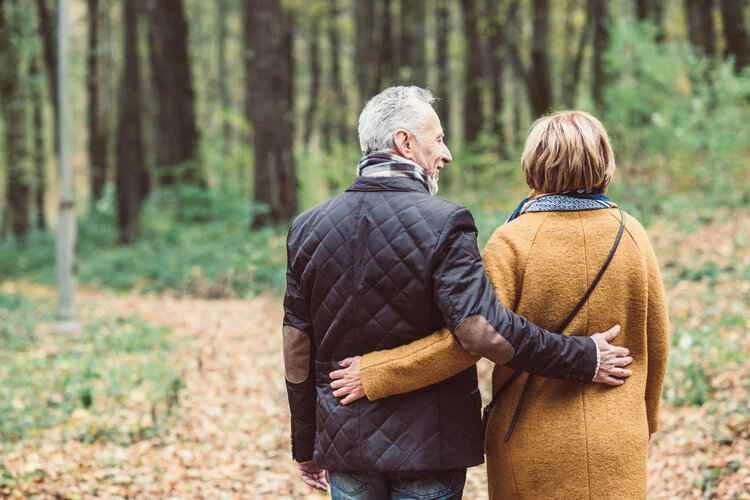
Case Study: Couple Undergoes Knee Replacement Surgery, All Thanks to a "Good Habit" They've Maintained for 10 Years
Ten years ago, Ms. Huang was diagnosed with diabetes. Since then, her blood sugar has become a key focus of monitoring, and "reducing blood sugar" has become one of her missions for many years.
Walking is Ms. Huang's main way of exercising to reduce blood sugar. Her husband, who has a deep affection for her, also walks with her to exercise, and they have been doing this for ten years.
What should have been a touching love story took an unexpected turn – the elderly couple both suffered severe knee joint deformities and wear, with torn menisci ! Both needed surgery.
After discussion, the doctors successfully performed knee replacement surgery on the couple on the same day. The couple then regained healthy legs.
While the outcome is heartwarming, we must also rationally recognize that such an experience could have been completely avoided.
I. Walking is indeed beneficial to the health of middle-aged and elderly people.
This couple had to have their knees replaced because of walking, does that mean that middle-aged and elderly people shouldn't walk? That's definitely not true.
According to the results of a large-scale, long-term research project initiated by Hokkaido University in Japan, walking more can reduce the risk of death in middle-aged and elderly people.
They surveyed over 20,000 Japanese seniors aged 65 to 79, grouping them according to the amount of time they walked each day. They then followed them for over a decade, tracking their mortality rates. The results showed that walking more significantly reduced the risk of death from heart attacks, strokes, influenza, or pneumonia.
Another study on walking among middle-aged and elderly people is equally thought-provoking.
Researchers at the University of Bittsburgh in the United States conducted a large study involving the walking speed data of more than 30,000 people aged 65 and older. They found that older adults who walked faster lived longer than those who walked slower.

Both studies confirm that walking can have a positive impact on the health of middle-aged and older adults. But specifically, what benefits does walking bring to middle-aged and older adults?
• Prevention of cardiovascular and cerebrovascular diseases
Walking engages multiple organs and systems in the elderly, including the heart, lungs, nervous system, muscles, and bones, providing effective exercise without causing strenuous stimulation. This type of exercise accelerates blood flow, improving circulation and preventing blood from becoming viscous, thus reducing the risk of cardiovascular and cerebrovascular diseases in the elderly.
• Promote the digestive health of the elderly
Walking accelerates blood circulation and exercises the sphincter muscles in older adults. Simultaneously, the intestines also move during movement, thus promoting bowel movements, relieving constipation, and preventing constipation – all beneficial to digestive health.
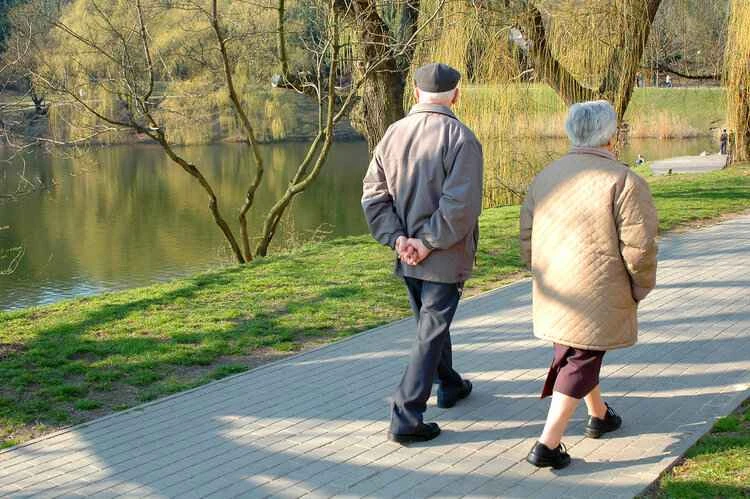
II. To avoid accidents, elderly people need to walk like this.
So how should middle-aged and elderly people exercise by walking? As a special group, middle-aged and elderly people need to consider the following aspects when walking in order to avoid accidents.
1. Walking speed
Walking speed refers to the pace at which older adults walk. If older adults walk too fast, they may experience falls or even fractures due to delayed reaction times or other unexpected situations. Therefore, older adults must pay attention to their walking speed.
Generally speaking, the walking speed of older adults should ideally be kept below 0.8 meters per second. This is the average walking speed for older adults, neither too fast nor too slow.
2. Number of steps
According to the Chinese Dietary Guidelines, middle-aged and elderly people can aim for around 6,000 steps per day. However, if some middle-aged and elderly people cannot reach 6,000 steps, it's not a problem. They can achieve this goal by breaking it down into smaller, more manageable steps each day. They can also make appropriate adjustments based on their individual circumstances; what suits them best is the most important.
3. Duration
For older adults, walking time should ideally be limited to 30 minutes per day. Excessive exercise may lead to muscle damage, while many types of exercise may have little effect.
4. Preparations
Before engaging in walking exercise, older adults should choose suitable athletic shoes and drink plenty of water to prevent loss of body fluids due to sweating. In addition, they can do some warm-up exercises before exercising, such as stretching muscles and ligaments and performing squats, to prepare the heart and muscles for exercise and prevent the body from being unable to adapt to sudden exertion.
Scientific exercise is essential for a higher quality of life, and middle-aged and elderly people should pay more attention to various precautions during exercise in order to better enjoy their later years.
References:
[1] "Husband and wife undergo knee replacement surgery after ten years of 'power walking' training." Shenyang Evening News. April 1, 2019.
[2] “Study finds that walking fast in the elderly may indicate a longer lifespan.” Xinhua News Agency. January 6, 2011.
[3] "The more elderly people walk, the lower their risk of death." Life Times. March 4, 2019.