After being infected with HIV, some people immediately confess to their partners, while others try every means to hide it.
Recently, news broke that a Shanghai man concealed his HIV status, leading to his pregnant wife filing for divorce. Ultimately, the court ruled to annul their marriage.
This incident caused a huge uproar in public opinion, and netizens discussed it enthusiastically. But after the noise and excitement, perhaps we should try to understand their inner thoughts and their real lives.
To " conceal " or to " confess "—this is a dilemma for countless people living with HIV.
First, after I confessed to my wife, she accepted me.
Liu Hao (pseudonym), 45 years old, is a department director of a company. He has a happy family and two lovely children.
Last year, his weight suddenly dropped from 110 pounds to 80 pounds, accompanied by symptoms such as fever, difficulty breathing, and diarrhea. After searching online, Liu Hao had a clue what was going on, so he went to the hospital's infectious disease department for examination. The test results confirmed his suspicion: he was HIV positive .
Upon seeing the results, his first thought was: how to explain this to his wife ? After calming down, he decided to be honest with her and prepare for a divorce. To Liu Hao's surprise, his wife accepted him and encouraged him to pursue treatment .

Now, Liu Hao has been taking medication for a year, and his weight has gradually returned to its original level. When he's busy with work, he forgets that he is HIV-positive and works hard to provide a better life for his family.
"Her understanding and support were more effective than any medicine," Liu Hao said gratefully.
Second, I have kept this from my husband for 5 years.
Yang Xiu (pseudonym), 56, has been diagnosed with HIV for five years and is now taking antiviral drugs provided free of charge by the government every day.
Her attending physician, Director Shen Yinzong , stated that Yang Xiu's treatment was effective, the viral load in her body was effectively controlled and undetectable, and the possibility of her infecting others was very low.
Despite this, Yang Xiu's husband remained completely unaware. In truth, Yang Xiu knew perfectly well that hiding the truth from her husband was wrong , but she couldn't get past her own conscience . She felt she had contracted the most vile disease in the world and deserved to suffer alone.
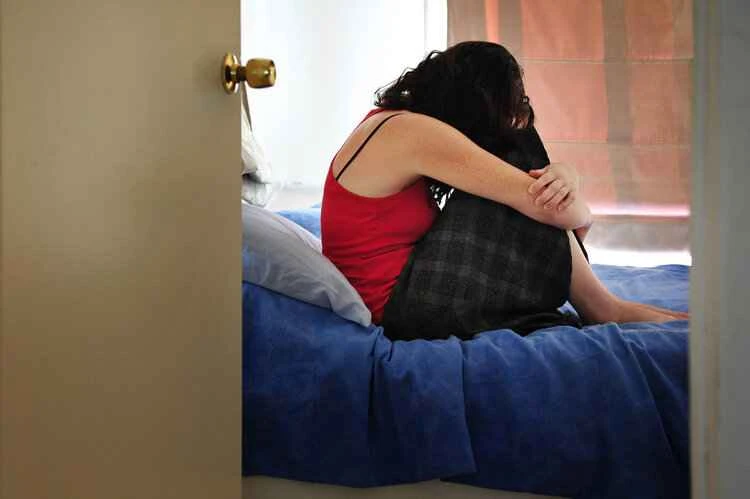
Sometimes, when her condition worsened and she needed to be hospitalized, Yang Xiu could only lie to her husband, saying that she had gone on a trip with her best friend. Self-blame and guilt surrounded Yang Xiu, confining her to her own darkness. "My biggest fear is that my family will abandon me."
III. Heterosexual transmission – an overlooked route of infection
Sex is the primary route of HIV transmission , a fact that most people with common sense would know. Some might find the claim that "heterosexual transmission is being overlooked" laughable, but it is, in fact, a reality.
There are deep-seated stereotypes about AIDS : " immorality ," "filth," "skin disease," " death ," and "homosexuality." Many people believe that while AIDS is highly contagious, it has nothing to do with them; they think only immoral people or homosexuals are infected, and they will never get it.
This has created a strange phenomenon— people are excessively fearful and vilify AIDS in their minds, but ignore the real risks in their actions .
The World Health Organization has stated that stereotypes have become one of the biggest obstacles to the prevention and control of AIDS.

Wu Zunyou, an epidemiologist at the Chinese Center for Disease Control and Prevention , stated that since 2003, the number of diagnosed HIV infections has been rising sharply , with heterosexual transmission accounting for 71% of newly reported cases. Wu also emphasized that "controlling heterosexual transmission of HIV is the key and most challenging task in the current and future HIV control efforts."
Here, we need to review the three main routes of HIV transmission: sexual contact, blood transmission, and mother-to-child transmission .
Furthermore, shaking hands, hugging, or eating with someone infected with HIV will not transmit the virus. HIV is also not transmitted through public facilities such as toilet seats, tableware, or swimming pools, nor through mosquito bites, sneezing, or coughing.
IV. Two Misconceptions to Clarify
There are two common misconceptions about HIV/AIDS that require special attention.
1. Does a negative test result mean I'm safe?
The truth : A negative test result ≠ safety
After a patient is infected with HIV, there is a window period during which the infection cannot be detected. Generally, the window period for HIV antibody testing is 4-12 weeks, and for nucleic acid testing it is 1-4 weeks. Antibody testing is the most commonly used method, so it is recommended to get tested 4 weeks after high-risk behavior .
If the test result is negative after 4 weeks , a second test should be conducted at 8 or 12 weeks . If no high-risk behavior occurs again within 12 weeks and no antibodies are detected, HIV infection can be ruled out.
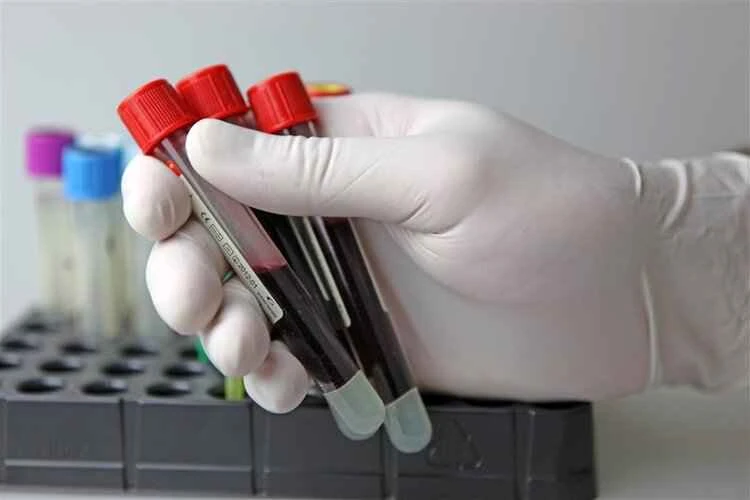
During the window period, the virus is already replicating rapidly in the body and is infectious, but it is temporarily undetectable. It is also important to note that if sexual activity occurs during the window period, protective measures must be taken to avoid infecting your partner.
2. Once the patient receives treatment, they will no longer be able to transmit the virus?
Normally, if a patient receives effective antiviral treatment and the treatment is successful, and the viral load in the body cannot be detected (result is 0) , it means that the antiviral treatment is successful and the patient's infectivity has been greatly reduced.
However, it's important to note that a decrease doesn't mean the absence of viral load. Studies have found that even after successful antiretroviral therapy, 15%-25% of HIV patients experience one or more transient increases in plasma viral load. These transient increases are short-lived and usually resolve on their own, but if unprotected sex occurs during this time, transmission can still occur.
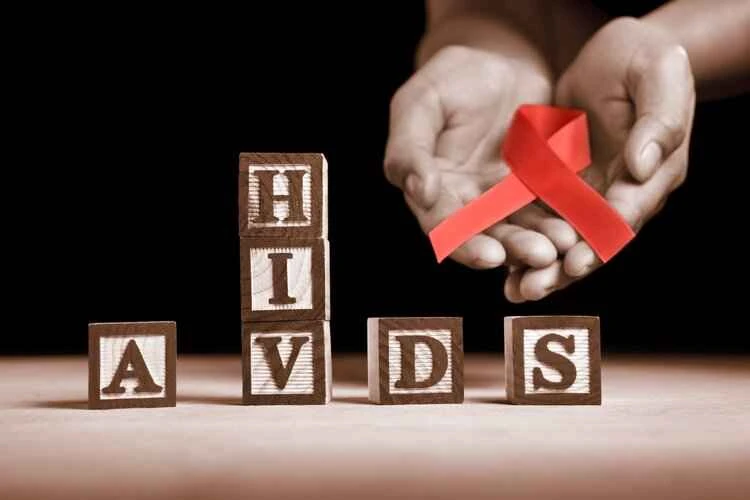
Therefore, even patients who have successfully treated the virus and have very low infectivity should take precautions when engaging in sexual activity.
In conclusion, to prevent AIDS, it is essential to eliminate fear and stereotypes about AIDS, as these prejudices can lead to misconceptions and ultimately hinder AIDS prevention and control.
References:
[1] A true story from an HIV clinic: To hide or to confess? One person can't bear it alone. Yunnan AIDS Prevention. 2021-01-12
[2] Heterosexual transmission: a neglected route of HIV infection. Sanlian Life Weekly. 2019-11-13
[3] More than 60,000 HIV-infected individuals and AIDS patients in Guangdong; hospitals are distributing condoms for free? Things to remember about AIDS. Guangdong Health Online. 2018-12-01