
Lying can be said to be
The most basic phenomena in nature

As far back as the early days of feudal civilization
People strive for better survival and reproduction.
I've already learned to lie

Modern social psychology believes that
Lying is a human self-protection mechanism
People lie
Or to take care of others
Telling white lies

Or to pursue their own interests



This is actually a conclusion reached through research.
British research firm OnePoll investigates the issue of lying.
A survey of 3,000 adults found
Men are more likely to lie than women
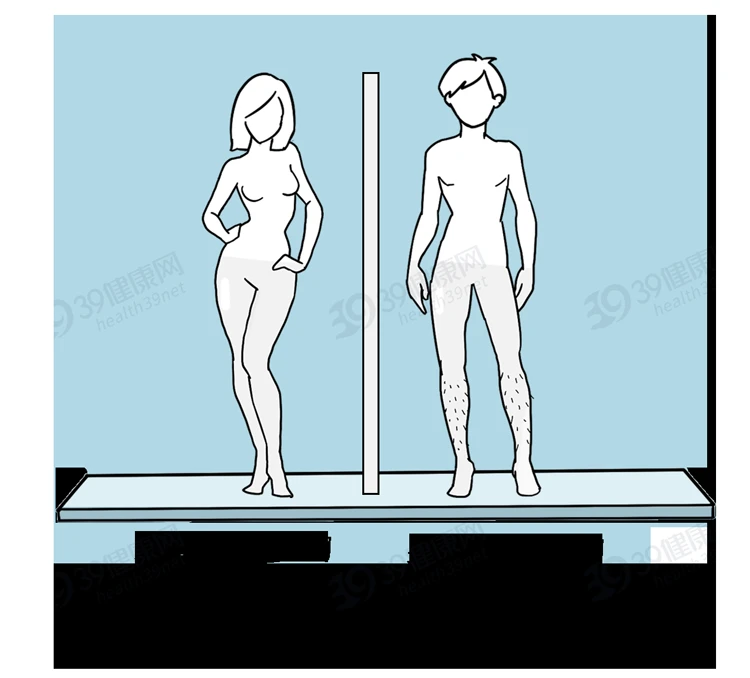
It has to be said
A man who's three-tenths drunk can indeed act until your heart breaks.
When a boy says this
They might actually be...



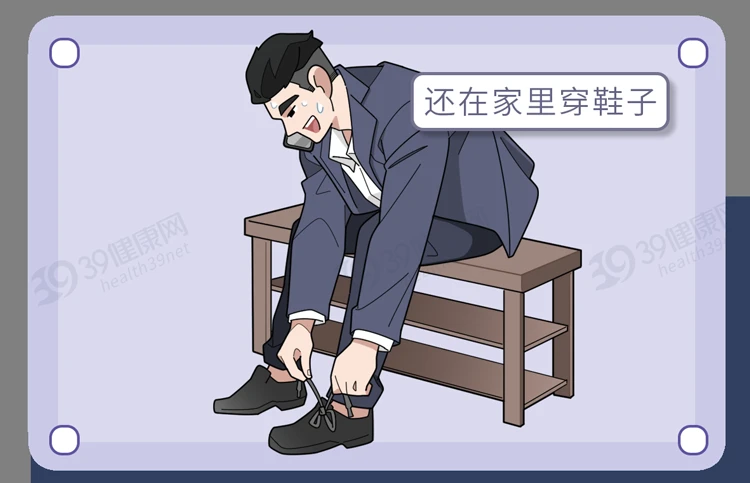


Why are men more likely to lie?
1. Influence of family of origin
Generally speaking
Children whose needs are not met in childhood are more likely to lie.
Because they need to lie to get what they want.
Compared to girls
Boys have less self-control when they are young.
More easily influenced by the people and things around them

2. To increase attractiveness
They want to participate in "impression management".
So that others can perceive them in the best way

3. Material desires
These lies are often motivated by self-interest.
To leave a lasting impression
Fabricated to enhance one's reputation
Whether in terms of status or more tangible gains
Or perhaps it's the goddess's favor.

4. Avoid conflict
If lying can bring
More benefits than interpersonal relationships
So in their view, it's worth doing.
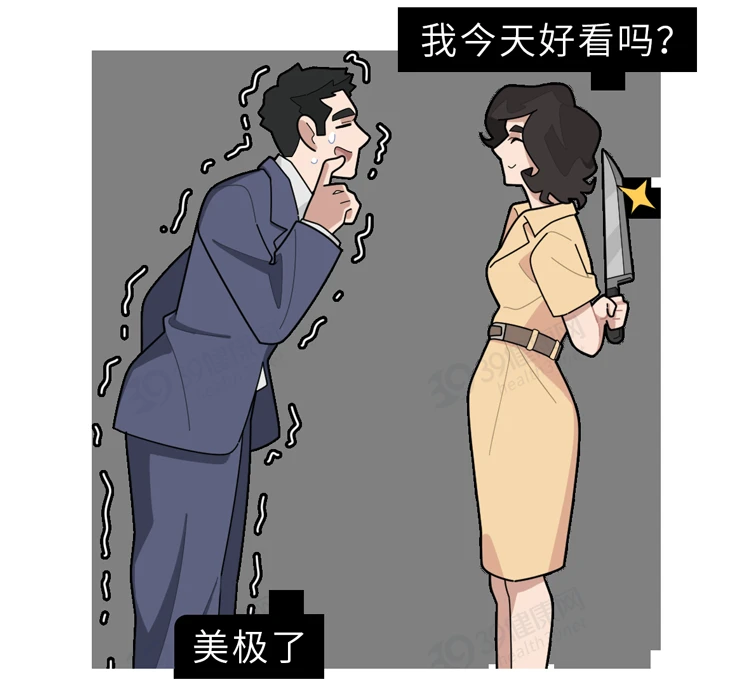

When a person is lying
Behavior and facial expressions will change.
We can observe these changes
To determine if the other party is lying
·sound
People become tense when they lie.
Breathing rhythm will also become rapid.
You can observe the other person's facial expressions.
Or speaking speed and voice
Compare and judge with usual.
Of course, this situation cannot be ruled out.

Eyes
Generally when lying
Liars' eyes tend to wander.
I don't dare to look the other person in the eye

• Hand movement changes
liar
There are often unconscious hand gestures.
Because they want to use this to
To alleviate guilt and cover up lies
for example

• Shoulder shrug
People tend to shrug their shoulders when they lie.
Psychology believes
Shrugging expresses not knowing, not sure, etc.
Body movements in uncertain situations
To make my words more authoritative
They often raise their chins.
Appears more confident and more convincing


Of course, if the male compatriots
There are things I really can't tell others.
There are methods too.
How to tell the perfect lie
First, choose the perfect time to lie.

Secondly, you can hug the other person when you lie.

Third, to deceive others, you must first deceive yourself.


People who lie frequently will have dulled and numb brains.
A study by the University of London found
As the frequency of lying increases
The amygdala's sensitivity to it will gradually decrease.
The brain becomes dull and numb

Leading to mental illness – “Lying disorder”
Lying disorder is a psychological obsessive-compulsive disorder.
The patient is completely unable to control his lying behavior.
As long as they don't lie
I feel really bad.
It can lead to mental illness, and in severe cases, mental disorder.
Finally, I'd like to share a quote that I like with you:
Don't deceive others.
Because the people you can fool,
They are all people who believe in you.

References:
[1] Lee, JJ, Hardin, AE, Parmar, B., & Gino, F. (2019). The interpersonal costs of dishonesty: How dishonest behavior reduces individuals' ability to read others' emotions. Journal of Experimental Psychology: General, 148(9), 1557-1574.
[2] Xu Yuefei. Causes and prevention mechanisms of wrongful convictions [J]. Journal of Hunan Police Academy, 2018, 30(06): 91-97.
[3] Fan Gang. Lie detection and truth detection: On “lie detection” and its scientific application from the case of Du Peiwu [J]. Western Law Review, 2019(01): 67-75.
[4] Cao Wenwen, Wu Xia. The Influence of Micro-expressions on the Lie Detection Ability of Young Men and Women [J]. Youth Studies, 2015(04): 57-95
[5] Yan Bihua, Lan Jijun, Zou Hong. Lying behavior among college students and its relationship with self-esteem and social anxiety [J]. Chinese Journal of Special Education, 2008, 97(07): 82-86.