Women typically stop menstruating around the age of 47 to 55, and at the same time, they will experience a series of premenopausal symptoms. So what are the common symptoms in the early stages of menopause? What should women do to cope with the premenopausal period?
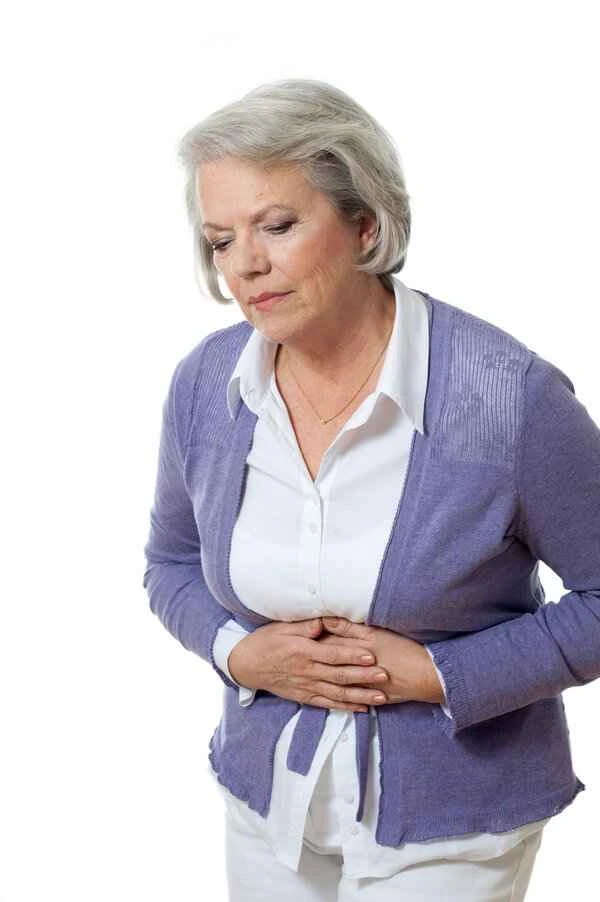
Be alert if you experience these symptoms, as you may have entered menopause!
1. Menstrual irregularities
Menstrual irregularities are one of the main symptoms of premenopause. At this time, the menstrual cycle will be very irregular, with irregular vaginal bleeding and varying durations of bleeding. Some women may also experience anemia, yellowing of the complexion, and general weakness. This menstrual irregularity problem can last for 1-2 years.
2. Sleep problems
Many women experience insomnia during the premenopausal period due to hormonal fluctuations that affect sleep. For women with sleep problems, trying methods such as soaking their feet in hot water or drinking warm milk can be effective in relieving insomnia.
3. Joint pain
Women going through menopause are prone to calcium deficiency due to aging and physical decline, which can lead to joint pain and accelerated joint aging, resulting in reduced mobility in the limbs.
4. Hair loss
Some women may experience sudden hair loss before menopause, and this varies from person to person.
5. Sudden menopause
Some women experience no symptoms before menopause; they simply stop menstruating altogether.
Five aspects to pay attention to in premenopausal care

1. Pay attention to your emotions.
Many women experience significant mood swings before menopause, such as becoming irritable, anxious, and easily upset. At this time, it is important to regulate one's mental state and avoid excessive emotional fluctuations that could affect normal life.
2. Communicate more
We should learn more about the issues after menopause, maintain a cheerful mood, and actively participate in cultural and recreational activities and physical exercise to improve our physical fitness.
3. Daily hygiene and health care
Women should have regular checkups after entering their reproductive years, at least once a year, especially gynecological examinations. Choose loose-fitting, breathable underwear, preferably cotton, and avoid wearing thongs. Also, pay attention to proper vulvar hygiene.
4. Pay attention to your diet
Nutritional status should not be neglected during the premenopausal period. Pay attention to a balanced diet, eat more vegetables and fruits, and some lean pork, soy products, kelp, etc., while eating less high-fat, high-sugar, and high-salt foods.
5. Practice contraception.
Women can still have fertility in the premenopausal period, so couples should still use contraception during intercourse.
The above content is exclusively authorized for use only and may not be reproduced without the copyright holder's authorization.