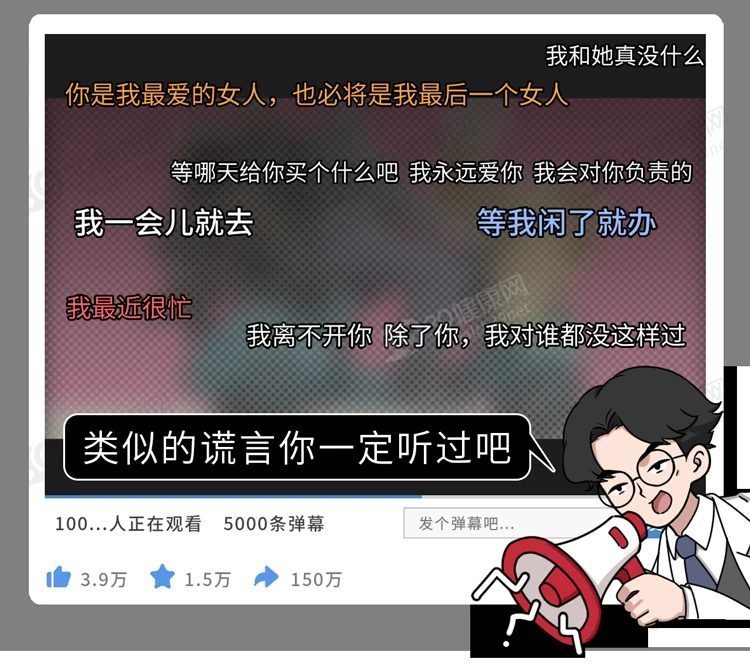
"It's all your fault! You scumbag! I want a divorce!" Li Jing angrily threw the medical report in her hand at her husband Zhou Ming's face. Last week, during a company physical examination, Li Jing's report showed that she was HPV positive . Considering that she usually lived a clean and hygienic life, she couldn't understand how she got infected.
So she consulted a doctor, and when she heard that if a man has multiple sexual partners , then the sexual partners are likely to transmit HPV to each other , Li Jing's mind went blank. Thinking of the previous signs that Zhou Ming was "suspected of cheating", she had some guesses in her mind.
When she got home, she pressed him for answers, and Zhou Ming finally admitted that he had cheated on his wife and that she had told him a couple of days earlier that she had been infected with HPV .
Li Jing's mind went blank after hearing this. She thought of her son, who was still breastfeeding, and wondered if he might be infected. She also thought of her parents, with whom she had eaten just last week; could they have been infected too? She even thought of her colleagues, with whom she spent every day; could they have also been infected because of her?
What are the transmission routes of HPV ?
Li Jing's concerns are not without merit.
There are three main ways HPV is transmitted :
The first route of transmission is sexual contact , which is the most common way HPV is transmitted. It can be spread through vaginal, anal, and oral sex . The infection rate is determined by the age and sexual habits of the population.
The second route is mother-to-child transmission . Pregnant women infected with HPV will have the virus in their reproductive tract, and the fetus can become infected during childbirth as it passes through the birth canal. Therefore, doctors generally recommend cesarean sections for pregnant women infected with HPV to reduce the risk of fetal infection.
The third type is indirect transmission , namely skin-mucous membrane contact. Infection can also occur when the mouth, throat, skin, anus, or other parts of the body come into contact with items carrying the HPV virus.
The virus arrived silently. If it weren't for the company's physical examination, Li Jing would never have imagined that she had contracted HPV . After figuring out what had happened, Li Jing recalled the various abnormalities she had experienced recently, which seemed to have been hinting at something all along.
If you are infected with HPV, your body will show abnormalities. When you experience symptoms similar to gynecological inflammation, such as vulvar itching, genital redness and swelling, foul-smelling, cottage cheese-like vaginal discharge, increased vaginal discharge with occasional blood streaks, or vaginal bleeding outside of menstruation , after ruling out hygiene and gynecological diseases, you should be wary of symptoms of HPV infection.
Some skin If small , hard, pale red papules that do not disappear after applying medication, but instead increase in number, and are accompanied by severe itching, or even erosion and oozing, you should also be aware of this.
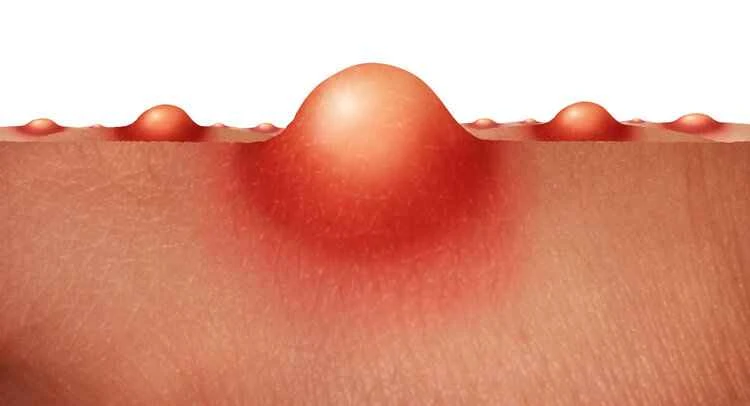
In addition, HPV infection may also cause symptoms such as frequent urination, urgency, and lower back pain . Furthermore, the HPV virus can compress the rectum, causing bloating, abdominal pain, and constipation .
If you experience several of the above symptoms at the same time, regardless of whether you have been in contact with people suspected of having HPV infection , you should go to the hospital for testing immediately, just in case.
The relationship between HPV and cervical cancer
Data shows that over 90% of cervical cancers are caused by HPV . The E6 and E7 proteins in HPV can inhibit the tumor suppressor proteins p53 and pRb in the body , causing infected cells to proliferate indefinitely and continuously transform into malignant cells, ultimately developing into cervical cancer. Even more frightening is that approximately 70% of women will be infected with HPV at some point in their lives. But why didn't they all develop cervical cancer? This is related to each person's immune system.
For women with strong immune systems, the immune system can clear the HPV virus quietly as soon as infection occurs, and nothing happens. However, for women with weak immune systems, the virus may persist due to insufficient immunity to clear HPV , eventually developing into cervical cancer.
Typically, it takes several years to several decades from infection to the onset of the disease. During this period, the vast majority of cases can be prevented if detected early. Moreover, it takes nearly 10 years for cervical cancer to develop from precancerous lesions into cancer. As long as the lesions are detected in time and treated properly, the development of cancer can be successfully stopped.
Therefore, HPV infection does not necessarily lead to cervical cancer . We do not need to panic excessively, but we should still take precautions.
In daily life, to prevent HPV infection, the following should be done:
Practice safe sex : Use condoms during sex, reduce the number of sexual partners, and do not start having sex too early.
Develop good hygiene habits : avoid using items in public places, do not share personal items such as towels and toothbrushes with others, and wash your hands frequently.
Develop good lifestyle habits : maintain a balanced diet, exercise regularly to improve your immunity; maintain a positive and optimistic attitude towards life and avoid long-term anxiety and tension; quit bad habits such as smoking and drinking.
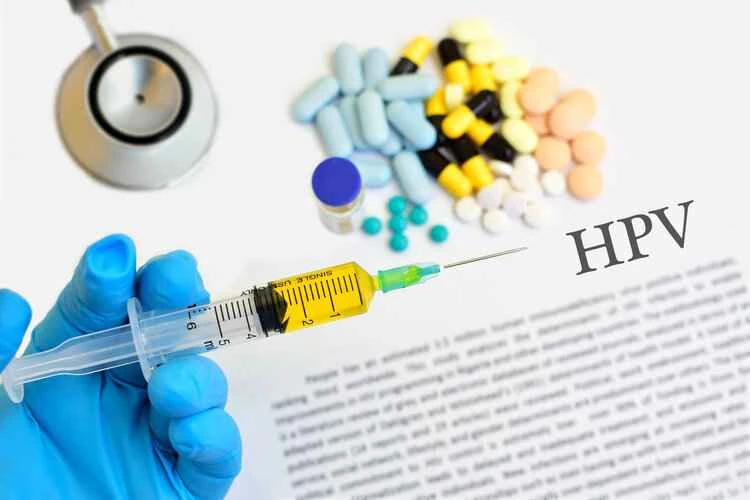
HPV vaccination and regular check-ups : HPV vaccination helps reduce the risk of cervical cancer and precancerous lesions. High-risk groups for cervical cancer should have regular cervical cancer screenings. Early detection and diagnosis are essential for early treatment and recovery.
Further reading: Can I still conceive and have children if I am infected with HPV ?
As mentioned earlier, one route of HPV transmission is mother-to-child transmission. When a pregnant woman infected with HPV gives birth, the baby can become infected as the virus passes through the reproductive tract. Does this mean that women infected with HPV are irresponsible when they have children?
On the one hand, HPV is divided into high-risk and low-risk types, and it takes a long time from infection to the onset of symptoms. Married women can seize the opportunity to conceive and have children. However, it is important to note that necessary examinations during the preconception period are essential to rule out any abnormalities in a timely manner.
On the other hand, there's no need to worry that a mother's HPV infection will affect the fetus's fertility, because HPV does not enter the bloodstream after infecting the host, and will not affect fetal development or cause birth defects during pregnancy. Women infected with HPV also do not need to undergo a cesarean section, as a cesarean section does not completely eliminate the risk of newborn HPV infection, and the benefits to the newborn are not as good as vaginal delivery.
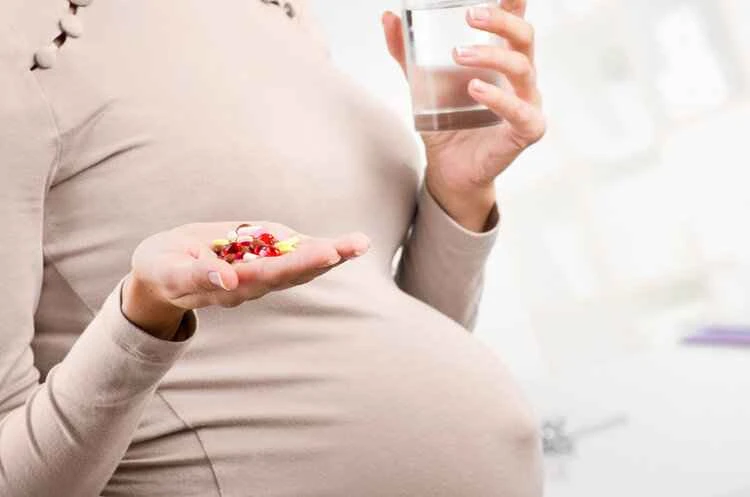
HPV isn't as serious as we imagine, but it shouldn't be ignored. A recent study published in *Cancer* by researchers from Sun Yat-sen University's School of Public Health and other institutions showed that in 2015, approximately 110,000 new cancer cases and nearly 40,000 cancer deaths in China were related to HPV infection. However, many people are completely unaware of HPV and continue to harm their bodies for momentary pleasure. After reading this article, do you have a better understanding of HPV? Feel free to share it with more people!
References:
[1] China’s first expert consensus on HPV was released . Beijing Evening News . 2019-07-14.
[2] Can I still get pregnant if I am infected with HPV? . Obstetrics and Gynecology Hospital Affiliated to Fudan University . 2018-03-22.
[3] "Preventing Cervical Cancer: Beware of Recurrent HPV Infection" . Yangtze Evening Post . 2014-08-27.