Ms. Zhou is 37 years old and has had uterine fibroids for 5 years. When they were first discovered, they were only about 20mm in size. During a check-up before the Lunar New Year, it was found that two of the fibroids had grown to 40mm. The doctor recommended a minimally invasive hysterectomy. However, considering that she is still young, removing her uterus might greatly affect her life, but not removing it could pose a risk of cancer. Ms. Zhou is caught in a dilemma.
Hysterectomy has both advantages and disadvantages.
·profit
Removing the uterus is definitely a last resort.
According to statistics, approximately 2 million people in my country undergo hysterectomy each year, with 60%-70% of these cases due to uterine fibroid removal. Other conditions such as cervical cancer, endometrial cancer, uterine prolapse, uterine inversion, and uterine rupture may also require hysterectomy.
Generally, in the early stages of a disease, hysterectomy can help patients stop the progression of the disease in time or play a preventive role. However, in the later stages of the disease, hysterectomy is more about stopping the damage in time; it is necessary for the sake of health and life.
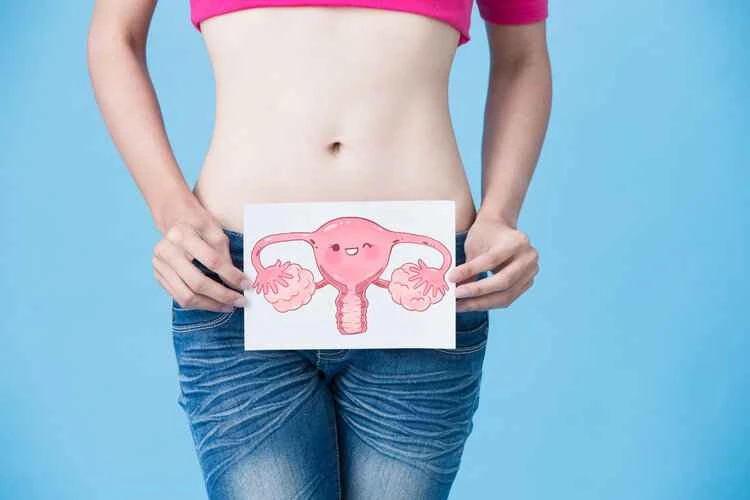
Disadvantages
The uterus is of great significance to women, not only in terms of the integrity of the body, but also in its impact on health, having a ripple effect throughout the entire body.
Loss of fertility. The uterus is essential for female fertility. Even in some cases of in vitro fertilization (IVF), pregnancy can occur without fallopian tubes, but the uterus remains indispensable. Therefore, if a hysterectomy is performed, it means that the woman has lost her fertility.
Ovarian function is prone to decline. The ovaries are connected to the uterus, and the uterus supplies blood to the ovaries. If the uterus is removed, the blood supply to the ovaries will definitely be affected, which will lead to a relative decline in ovarian function, causing premature ovarian failure (the age of failure is 2-3 years earlier than in people who do not have their uterus removed), and symptoms of "early menopause" will appear!
Pelvic floor muscle relaxation. Because a hysterectomy requires creating a hole in the pelvic floor, the integrity of the pelvic floor is compromised, which inevitably leads to relaxation. Moreover, after the surgery, many women experience abnormal movement and widening of the bones and organs within the pelvis, thus affecting the structure of the buttocks, lower back, and bones.
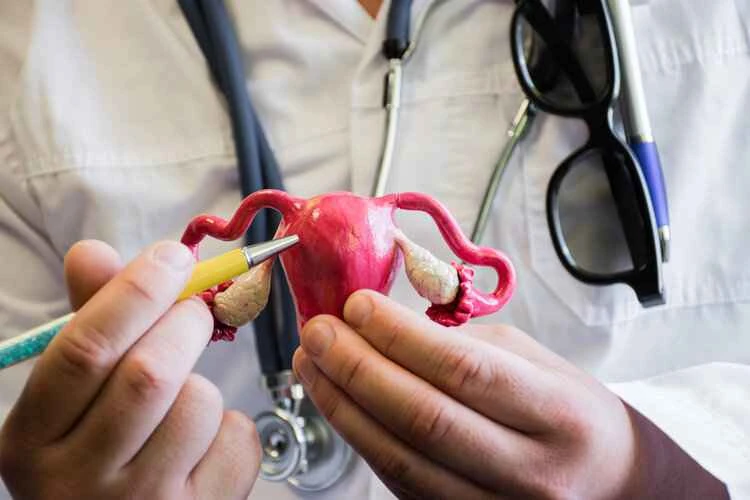
Anterior and posterior vaginal wall prolapse. The uterus is located in the center of the pelvic floor organs. The cardinal ligaments, uterosacral ligaments, and other ligaments surrounding the uterus all contribute to the anatomy of the pelvic floor and play a role in maintaining the normal position of the pelvic organs. Therefore, removal of the uterus can lead to prolapse of the pelvic organs.
Psychological issues. After a hysterectomy, many women feel incomplete and can no longer menstruate. This is especially true for women who are considering having children, who may experience feelings of inferiority, depression, anxiety, and despair.
If menstruation stops, won't estrogen be secreted? Won't that cause premature aging?
One of the main functions of the uterus is menstruation, so after a hysterectomy, menstruation will stop. However, this does not mean that a woman can no longer secrete estrogen. Estrogen secretion is mainly the responsibility of the ovaries. If the ovaries are not diseased, their function of secreting sex hormones will naturally be preserved. So there is no need to worry that the absence of menstruation will stop the secretion of estrogen.
Of course, the blood supply to the ovaries comes from the uterus, so removing the uterus will have a certain impact on the blood supply to the ovaries, which may result in the ovarian function declining a little earlier.
Can I still have sex after a hysterectomy?
Sexual intercourse is still possible after a hysterectomy. For young women, sexual activity is mainly related to the genitals and sex hormones (secreted by the ovaries), and has nothing to do with the uterus. Therefore, only the removal of the ovaries (not the uterus) will have any impact on a woman's libido and sexual behavior.

Studies show that approximately 40% of patients who undergo a hysterectomy can return to their previous frequency of sexual activity; while only about 25% experience a decrease in frequency or difficulty with sexual activity, mostly due to postoperative fear or the misconception that abstinence is necessary after surgery. However, because the vaginal apex wound requires time to heal, it is generally recommended to wait at least 3 months after surgery before resuming sexual activity.
How should one care for themselves after a hysterectomy?
1. Pay attention to hygiene and prevent wound infection . For example, if you have undergone laparoscopic surgery, you should clean the navel and other wounds with disinfectant every day and keep the wounds dry to avoid infection. If you find that the wound is red, swollen, painful or oozing, it indicates that the wound may be infected. Go to the hospital for treatment in time.
2. Go to the hospital for a follow-up examination one month after the surgery to check on the recovery progress and remember to pick up the pathology report.
3. Sexual intercourse is prohibited for 3 months after the surgery to avoid affecting recovery. When sexual intercourse is permitted, please be careful with the pressure; be gentle and avoid being too rough. If bleeding occurs, please go to the hospital immediately.
4. Couples should communicate more , especially the husband. He should pay more attention to, be considerate of, and understand his wife to dispel her anxiety and unease after surgery. This is very important for the recovery of sexual life after surgery.
In short, communicate with your doctor promptly if you encounter any problems, and at the same time, adjust your mindset and avoid getting stuck in negative emotions.
Further reading: The uterus is extremely important to women; these behaviors can be very harmful to the uterus!
Multiple miscarriages and abortions
During an abortion procedure, the uterus is scraped with instruments, causing severe trauma to the uterine lining. This is especially true for women who have had multiple abortions, leading to various complications and potentially infertility. Therefore, both men and women should use contraception if they do not plan to have a new life.
Unsafe or promiscuous sexual activity
Promiscuous sexual activity can easily introduce viruses and bacteria from the vagina into the uterus, leading to diseases such as endometritis, cervicitis, vaginitis, and even cervical cancer. Therefore, it is recommended to avoid promiscuous sexual activity as much as possible, maintain good hygiene of the private parts, and change underwear frequently to prevent infection.
Neglecting pre-pregnancy checkups
If we neglect pre-pregnancy and prenatal checkups, any abnormalities may go undetected, potentially leading to difficult labor or even serious consequences such as uterine rupture. Therefore, these checkups are essential. Regular prenatal checkups help us understand fetal development and maternal changes, facilitating a smooth pregnancy and delivery.
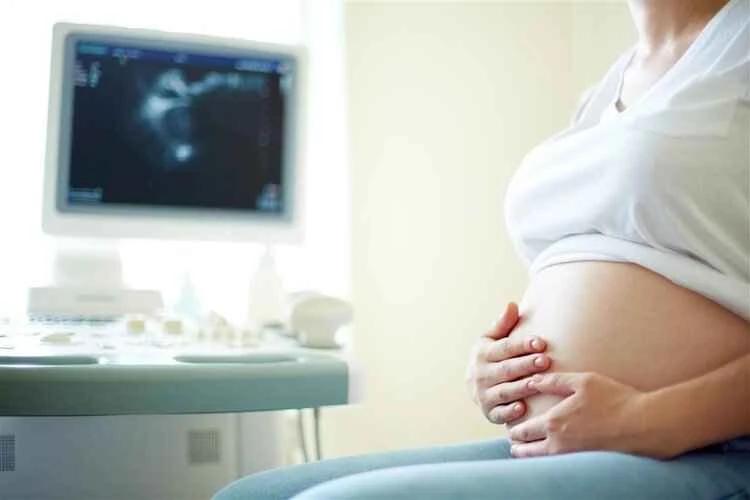
In conclusion, the importance of the uterus to women is self-evident, so it is important to take good care of it. When a hysterectomy is necessary due to illness or other reasons, it must be performed. In short, all factors should be considered, and the best outcome should outweigh the risks.
References:
[1] Medical Science Popularization | Total Hysterectomy ≠ The Sky Is Falling: Authoritative Doctor Explains What You Need to Know Before and After a Total Hysterectomy. Obstetrics and Gynecology Hospital Affiliated to Fudan University. 2016-05-24
[2] "How can couples continue their sex life after a hysterectomy?" Health Times. 2015-10-21