Xiao Chen is just 30 years old this year. Two years ago, during a physical examination, he found that his uric acid level was high. However, apart from the slightly high uric acid level, he did not experience any discomfort, so he did not take it seriously.
Unexpectedly, Xiao Chen suffered two gout attacks in the past six months, each time with excruciating pain so severe that he couldn't walk and needed to be carried to the hospital by his family. But that wasn't all; what truly heartbroken Xiao Chen was that he recently discovered search history on his wife's phone for the search term "husband conceals gout, how can wife file for divorce?" This was unacceptable to Xiao Chen, as they had only been married for a year...
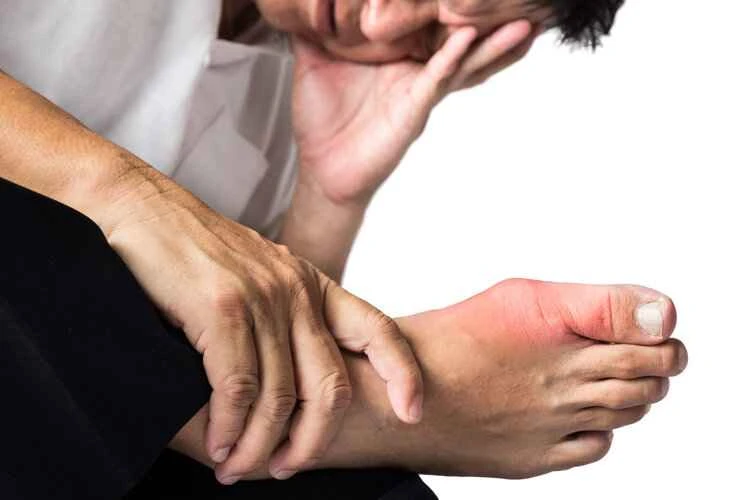
Many people believe that gout is a disease exclusive to middle-aged and elderly people, but that's not true. In recent years, the age of onset of gout has been getting younger and younger, and there are many cases like Xiao Chen's.
What is gout?
Gout is actually a metabolic rheumatic immune disease. It mainly manifests as acute gouty arthritis, which can then develop into chronic gout, tophi, and sometimes urinary tract stones or uric acid nephropathy.
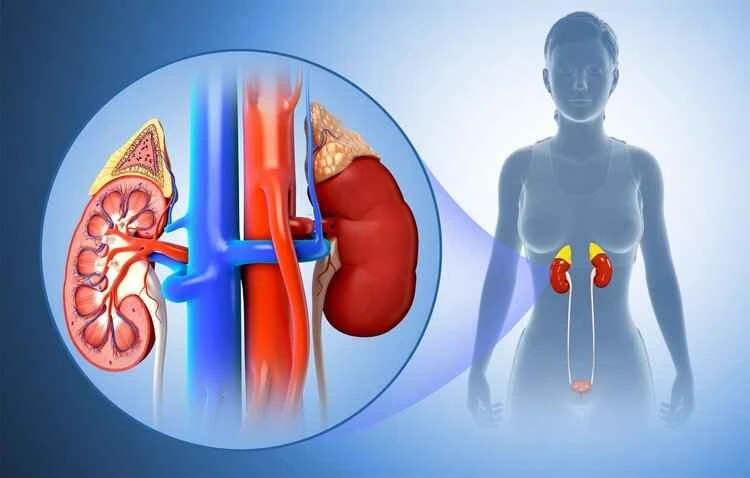
Gout is considered by many to be the "most painful disease in the world." In addition to pain, after the formation of tophi, it can also damage the joints, eventually leading to joint disability. If uric acid is deposited in the kidneys, it can cause urinary tract stones and uric acid nephropathy. As the condition progresses, it may lead to kidney function deterioration, kidney failure, and eventually uremia.
What are the symptoms of a gout attack?
When gout first starts, it usually only affects one joint and lasts for a few days. As the condition progresses, it can affect multiple joints simultaneously or in succession, causing symptoms such as redness, swelling, pain, and heat. The vast majority of gout cases occur in the joint of the big toe. In severe cases, it can gradually spread to other joints in the body, and symptoms may also appear.
Don't panic if you get gout. Here are some treatment options:
1. During an acute gout attack, the pain is usually quite severe. The first thing to do is to treat the inflammation and pain . You should go to the rheumatology department of the hospital as soon as possible and use medication to control the condition and bring it under control.
2. After the acute phase, intermittent treatment should be administered. Dietary restrictions include limiting purine intake, avoiding excessive consumption of high-purine foods such as animal organs, brain tissue, and meat, as well as alcoholic beverages. Eating plenty of fresh vegetables and fruits, and supplementing with high-quality protein, can help lower blood uric acid and reduce the frequency of acute gout attacks.
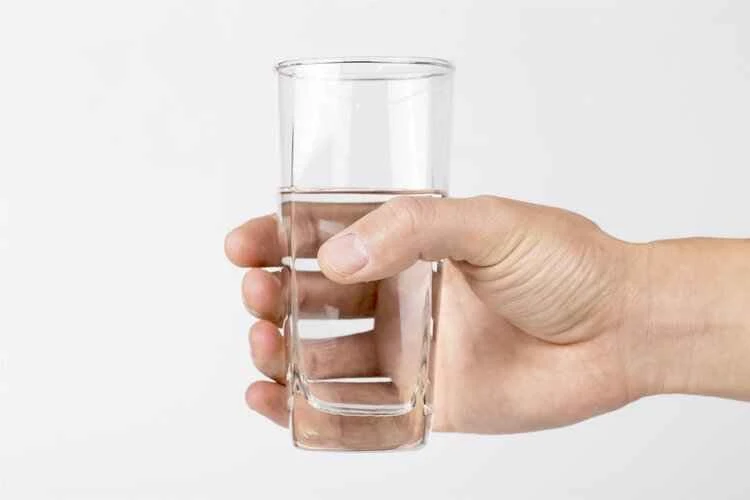
3. In daily life, it is also important to pay attention to appropriate exercise and drink plenty of water to alkalize urine. Gout patients should drink more than 3000ml of water every day. Drinking plenty of water can increase the excretion of uric acid in the body and dilute urine, which greatly reduces the chance of kidney and urinary tract stones forming, and can play a good role in relieving gout symptoms.
In conclusion, gout is not an incurable disease. Treatment of gout requires a comprehensive approach and cannot rely solely on medication. It is essential to combine it with daily lifestyle management in order to better control the progression of gout and stabilize the condition.
References:
Liu, Guoping. Analysis of clinical treatment methods for patients with gout [J]. China Medical Guide, 2013(09).