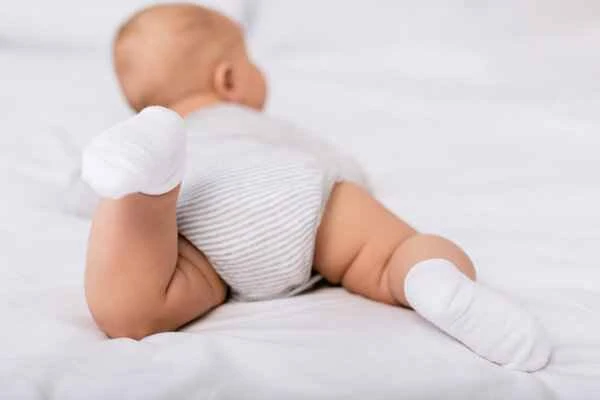
"Which pregnancy did you decide you didn't want at that time?" the reporter asked Wei Guozhe.
"The sixth child, I suppose," he replied.
"After giving birth to this baby, she (his wife) will get an IUD inserted."
The story's protagonists are Wei Guozhe (29 years old) and his wife (30 years old). This couple, both born in the 1990s, live deep in the mountains of Guangxi. While other people born in the 1990s are still struggling to find a partner, they have had nine children in one go: three daughters and nine sons. The oldest is already 12 years old, and there is another one in his wife's womb.

Image source: Internet
First, not understanding contraception implies "no difficulty in raising children."
When the situation of this family living deep in the mountains began to become known to the outside world, many media outlets came to their home to interview the couple.
In the interview, the husband admitted that he had started considering contraception when he was pregnant with his sixth child. However, incredibly, although he had condoms at home, he didn't know how to use them, thus missing the opportunity to use condoms for birth control.
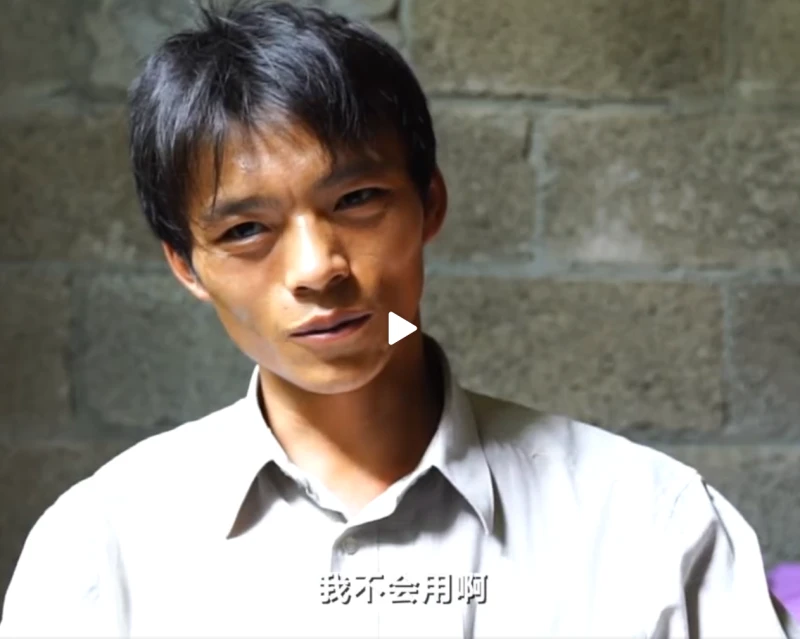
Image source: Beijing News video
Besides, the husband was aware of male sterilization, but he wanted his wife to use an IUD for contraception. When asked, he revealed his thoughts. He believed that male sterilization would lead to a decline in physical fitness, be bad for health, and affect his ability to work, thus making it impossible to earn a living. He said that many men in the village who had undergone sterilization were unable to regain their original physical strength for two or three years, affecting their lives.
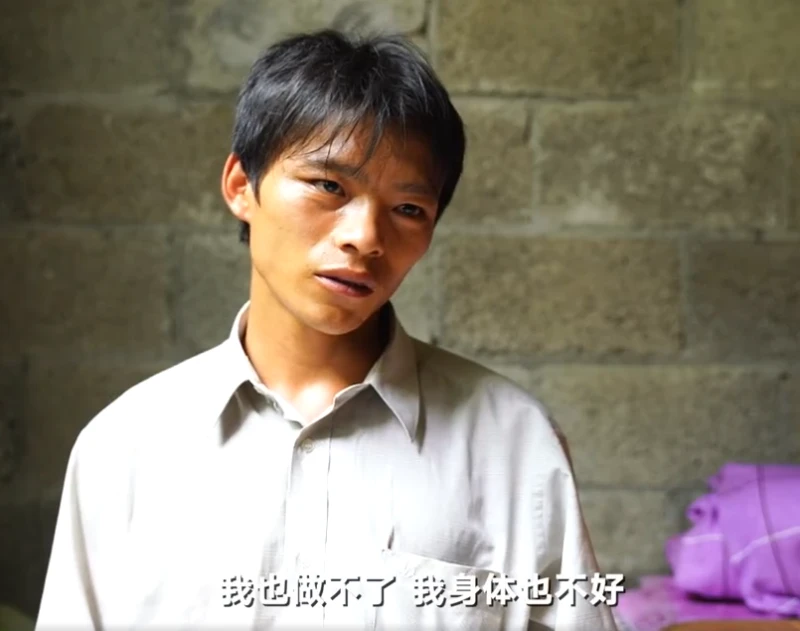
Image source: Beijing News video
When asked about the pressure of raising children, the family's main income comes from the husband's wages working on construction sites . He said he works 4-5 days a week, earning 200 yuan per day. In addition, the local government has made every effort to implement relevant policies and provide the family with assistance to the best of its ability. This family of eleven receives a minimum living allowance of 350 yuan per person per month , which is also an important source of their quality of life.

Image source: Beijing News video
II. How does childbirth change a woman's body?
What do you think when you see this family in Guangxi with nine children? Many people believe that having many children and grandchildren is a blessing, but childbirth is a major event that cannot be ignored for a woman's body, and it brings many changes to a woman's body.
First, the formation of stretch marks.
During pregnancy, women develop stretch marks on their abdomen. The incidence of stretch marks is extremely high, reaching as high as 50% to 90%. Even after childbirth, stretch marks may not disappear completely , becoming permanent scars that affect the appearance of the body.
Second, diastasis recti.
Childbirth causes a woman's uterus to enlarge, and the corresponding abdominal muscles also lengthen. This results in the rectus abdominis muscles becoming relatively loose, or even stretched, separating from the midline of the abdomen. This separation not only leads to an unattractive appearance but also increases the burden on the posterior muscles, potentially causing back problems.
Third, the pelvis widens.
From the beginning of pregnancy, the fetus grows and enlarges slowly within the mother's uterus, while the pelvis gradually widens and even protrudes downwards as the uterus grows. During the ten months of pregnancy, the pelvis undergoes prolonged pressure, gradually widening in shape . During childbirth, the baby's head needs to pass through the vagina, which is also a significant factor in the widening of the pelvis.
Fourth, postpartum depression.
Besides the physiological changes, the psychological state of postpartum women should not be overlooked. Due to the significant changes in a woman's endocrine environment and the rapid fluctuations in hormone levels during and after pregnancy and childbirth, postpartum depression may occur. Furthermore, a lack of care for new mothers in many families can also lead to feelings of loss and trigger postpartum depression.
3. Does male sterilization affect health? Nonsense.
Based on this case, Xiao Jiu would also like to discuss some common misunderstandings about male sterilization.
They might believe that sterilization will have a huge negative impact on their health, just like the husband in the case, but this conclusion is wrong. Their incorrect understanding of sterilization leads them to such absurd ideas.
First, it's important to understand that vasectomy essentially severs the passageway of the vas deferens in men . Therefore, sperm produced by the testicles cannot travel outside the body to fertilize an egg and create new life. However, the testicles themselves remain unaffected and continue to function normally, constantly producing new sperm. These sperm, unable to leave the body, remain in the testicles and epididymis, gradually dying, decomposing, and being absorbed until they disappear.
Therefore, vasectomy only cuts off the sperm's passage and does not affect any organs. A man's androgen levels, sperm count, and so-called "masculinity" will not be damaged in the slightest , and he will not become "effeminate".
While we are not qualified to judge this couple's personal choices, it is undeniable that the traditional belief that many children bring many blessings seems outdated in modern times, and the number of children cannot be a measure of happiness. Moderate childbearing and prioritizing physical health are essential for a happier family life.
References:
[1] "The effects of childbirth are not only physical, but also significant." Sohu.com. May 9, 2020.
[2] "A couple born in the 1990s live in the mountains and have nine children. They receive nearly 4,000 yuan in minimum living allowance every month and are preparing to have a tenth child." Kankan Express. June 9, 2020.