To choose between mastectomy and breast-conserving surgery is a difficult decision. Xiaoli, only 28 years old, is facing this choice.
Two weeks after being diagnosed with breast cancer, Xiaoli's entire life was disrupted. Because the tumor was too large, the doctor's proposed solution was to remove one breast.
She subconsciously touched her chest, imagining herself looking unbalanced.
"I can't accept having my breast removed. Is there any other way, doctor?" The doctor shook his head helplessly.
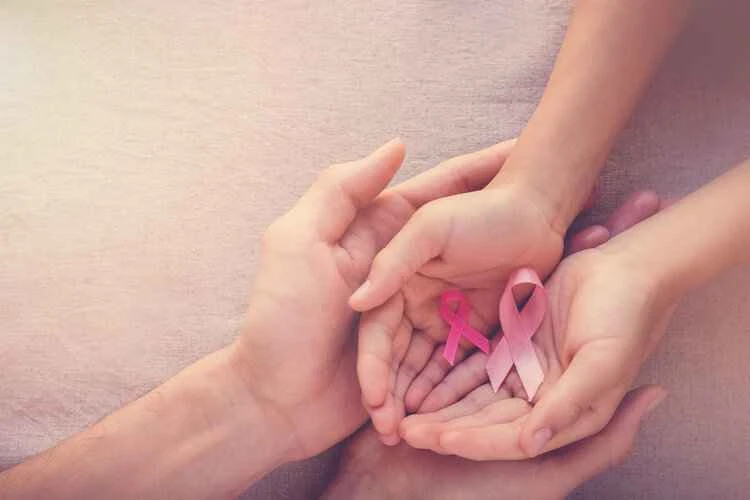
After thinking about it at home for three days, Xiaoli finally gave in to fate, saying, "If I don't have a breast, I don't have one. Saving my life is the most important thing."
For many, the final answer is to cut their breast to save their life, but in the eyes of doctors, there is no direct logical relationship between the two.
In China, breast cancer is the most anxiety-inducing cancer for women, consistently ranking first among malignant tumors in women. According to the annual report on disease prevention from the Ministry of Health, China accounts for 12.2% of new breast cancer cases and 9.6% of global cases and deaths each year, respectively, and in recent years, many young people have been frequently diagnosed with it.
Does saving your life mean you have to have your breasts removed? Not necessarily.
For a long time, the standard treatment for breast cancer has been mastectomy. But can a single incision truly eliminate all future problems? Regardless of the prognosis, for female patients, removing the breast undoubtedly causes immense physical and psychological trauma.
“I stood in the operating room, watching her right breast being completely removed. I glanced at my watch: 9 minutes. The doctor had cut open her chest cavity, leaving only a huge hole…” This is a confession from a patient’s family member.
After the surgery, his lover will lose her breast forever.
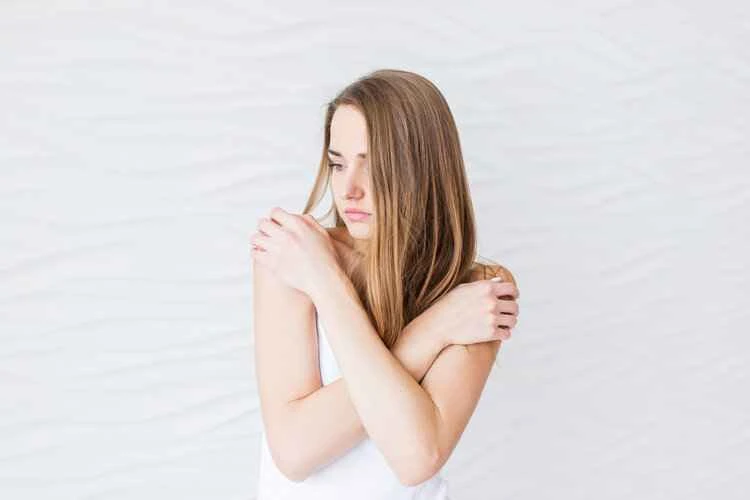
A survey conducted by *The Lancet Oncology* in China revealed that mastectomy accounts for 88.8% of all primary breast cancer surgeries in the country, meaning nearly 90% of Chinese breast cancer patients have their breasts removed due to tumors. In contrast, Dr. Mehra Golshan of Harvard Medical School in the United States stated that only about 30% of patients undergo mastectomy as needed, while 60% receive breast-conserving surgery.
Experts say the biggest difference between cancer treatment in China and the US lies in the timing of diagnosis. In China, most breast cancer patients are diagnosed at an advanced stage. Of course, many patients also hold the misconception that the more thorough the removal, the more completely the cancer can be eradicated.
Experts admit that mastectomy is no longer the only treatment for breast cancer.
According to Dr. Wei Yan of Peking University Cancer Hospital, in addition to surgery, breast cancer patients can also try radiotherapy, endocrine therapy, chemotherapy, and other methods.
Radiation therapy can target tumors more precisely and cause less damage to other tissues and organs.
Endocrine therapy: It has the fewest side effects and the best efficacy. However, it is not suitable for everyone.
Chemotherapy: This involves injecting drugs into the body to kill cancer cells. It has significant side effects and can easily trigger systemic reactions.
What impact does the loss of a breast have on a woman's life?
Yang San (pseudonym) is a capable woman with short hair. Focused on her career, she often doesn't sleep until 1 or 2 AM. The immense pressure led to her being diagnosed with breast cancer at the age of 30. Doctors consulted her before the surgery.
“I’ve already given birth and finished breastfeeding, so please remove it.” Yang San firmly believes that to prevent cancer recurrence, a complete removal is necessary. The doctor wanted her to reconsider and ask her spouse’s opinion. Yang San’s voice rose an octave: “Is this even negotiable? Can’t I even make a decision about my own breast?”
Yang San had her breast removed and did not undergo breast reconstruction after the surgery. Her husband has always been dissatisfied that she insisted on keeping her breast intact without consulting him, and now the two often quarrel, and their relationship is becoming increasingly strained.

Mei-ling, who also suffered from breast cancer, made a different choice after surgery.
Meiling (pseudonym) is 35 years old this year. Six years ago, she underwent a left mastectomy after being diagnosed with breast cancer. Following her doctor's advice, she had a prosthesis implanted to make both sides look more symmetrical.
Meiling remembers that for half a year, she could feel a foreign object in her chest. At that time, she was emotionally unstable and felt like a monster when she looked in the mirror...
“Even after my breasts were reconstructed, I couldn’t get over it for a long time.” Mei-ling’s artificial breasts remained swollen.

After surgical removal, rebuilding one's life is also a process of treatment. No matter how strong one's "will to live" was initially, as the role of the patient gradually fades, you will realize how important it is to have lost a part of your body . That sense of incompleteness corrodes the patient's subconscious and also erodes the empathy of family and loved ones.
Their physical disabilities trap them in a cycle of self-doubt, partner rejection, and low self-esteem . Too many women haven't been intimate with their loved ones since surgery. This obstacle stems from both their partners and themselves.
For breast cancer patients, a word of encouragement and care from family and loved ones is an important factor in gaining a sense of security and improving their quality of life.
References:
[1] "Nearly 90% of breast cancer patients in China undergo mastectomy, compared to only 30% in the United States." Global Times. 2017-04-20
[2] Wei Yan: Breast Cancer Is Not That Scary. Global Times. 2016-04-15
[3] "Saving the Breast: A Life-or-Death Struggle for Breast Cancer Patients". Sanlian Life Weekly, 2019-12-04