For women with severe uterine fibroids, hysterectomy is their most feared and potentially fatal decision; however, for Taiwanese actress Diana, a hysterectomy was one of her year-end plans. Diana was Taiwan's first openly gay female singer. Because she had no plans to have children, did not want to endure the monthly menstrual cramps, and had a family history of cancer, a hysterectomy became her choice. Does a hysterectomy eliminate menstrual pain? What physiological changes occur in women after a hysterectomy?
Will I still have my period after a hysterectomy?
Many people wonder if a hysterectomy truly eliminates the torment of menstruation. First, let's understand the mechanism of menstruation. Menstruation is the periodic shedding of the uterine lining caused by cyclical hormonal changes in the ovaries. Clinically, hysterectomy is generally used for disease treatment, such as in patients with severe uterine fibroids. Treatment methods typically include total hysterectomy, subtotal hysterectomy, and myomectomy. For patients who have undergone a total hysterectomy, there is no uterus, and therefore no menstruation caused by endometrial shedding. However, in cases of subtotal hysterectomy, menstruation may still occur. Therefore, in Diana's case, undergoing a total hysterectomy to alleviate the monthly torment of menstruation was achievable.
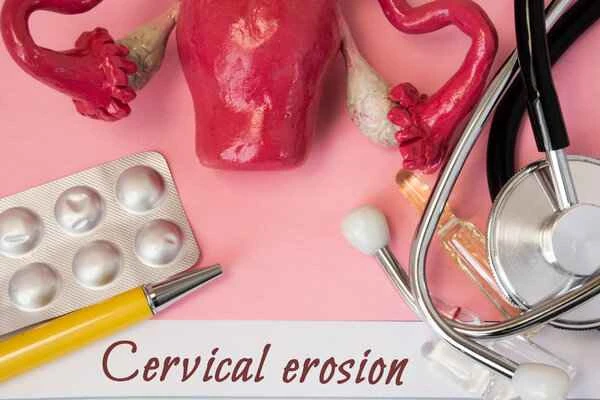
What physiological changes occur in women after a hysterectomy?
Besides permanently saying goodbye to menstruation, what physiological changes does a hysterectomy bring to women? Does losing a uterus turn a woman into a man?
Experts say that the main factor maintaining female sexual characteristics is the female hormones produced by the gonads and ovaries. Every woman has two ovaries, one on each side. The ovaries undergo cyclical hormonal changes, producing hormones such as estrogen and progesterone that maintain female sexual characteristics. Therefore, even if the uterus is removed, only the cyclical shedding of the uterine lining will cease, i.e., menstruation will stop. However, as long as the ovaries are still present, or even if only one ovary remains, and can secrete estrogen normally, even if fertility is lost, it will not affect the essential female characteristics.
Editor's Note: Generally speaking, hysterectomy is a treatment for gynecological diseases, and removing the uterus may be the most beneficial option for recovery. However, hysterectomy means the permanent loss of fertility, and it also has some impact on sexual life. Therefore, the surgical choice should be made under the guidance of a doctor.
Original content from www.39.net. Unauthorized reproduction is prohibited and will be prosecuted. For content cooperation, please contact: 020-85501999-8819 or [email protected]Recommended reading:
[Five Periods When It's Not Ideal to Have Children]
Clarifying Five Common Misconceptions about Women's Bodies
The above content is exclusively authorized for use only and may not be reproduced without the copyright holder's authorization.