On December 1, 2020, we will celebrate the 33rd World AIDS Day. In recent years, our country has continuously increased its efforts in HIV testing, and HIV education has also achieved results.
Even so, it is estimated that about 30% of those infected remain undetected . The latest statistics show that from January to August 2020 , China recorded 39,349 new HIV/AIDS cases and 11,595 deaths . Among new infections each year, the increases are most pronounced among young people and elderly men.
We hope that after reading these three stories related to AIDS, you will stay a little further away from AIDS...
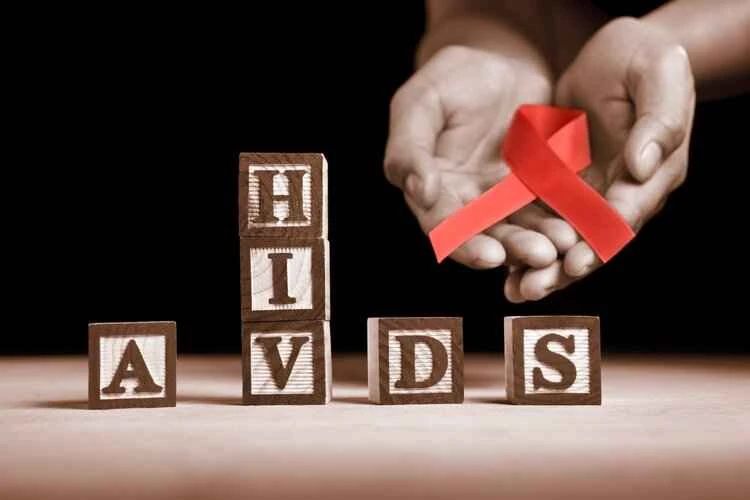
01 HIV-positive girl: My devilish boyfriend is by my side
When Liu Xiaoyan (pseudonym) first entered university, she met a handsome boyfriend off-campus. She thought she had found romantic love, but little did she know she was stepping into a nightmare.
Not long after they started dating, Xiaoyan's boyfriend took her out "to play" several times. Unable to resist his sweet words, Xiaoyan succumbed... During their passionate encounters, she didn't ask him to use protection because she trusted him. Unexpectedly, during a school health check shortly afterward, Xiaoyan tested positive for HIV. Since her romantic relationships weren't promiscuous, she immediately suspected the culprit.
Under persistent questioning, Xiaoyan's boyfriend finally admitted that he had secretly visited prostitutes and accidentally contracted HIV. He said he was seeking revenge on society by specifically dating female college students. Xiaoyan was stunned; she never imagined she would encounter such a shameless person…

In fact, Liu Xiaoyan's experience is not an isolated case. Many young people, inexperienced in the ways of the world, have unknowingly contracted HIV while pursuing love, and then deeply regret it. Therefore, young people must learn to protect themselves, especially to understand how to prevent HIV/AIDS.
Currently, there are three main routes of HIV infection: sexual contact, blood transmission, and mother-to-child transmission. Therefore, HIV prevention requires cutting off these routes of infection to reduce or avoid the possibility of infection .
First, use condoms correctly to prevent contact between bodily fluids and reduce the risk of HIV infection;
Second, do not share items that come into contact with blood , such as toothbrushes, razors, and shaving blades. When brushing your teeth or shaving, skin injuries may occur, and if these items are shared with an HIV carrier, you may be infected with HIV.
Third, use blood safely and do not buy or sell blood . HIV can enter the human body directly through blood, and the viral load can be quite high. This route of infection also has the shortest incubation period and the fastest onset of disease . Therefore, blood transfusions and blood products must be used with extreme caution.

Furthermore, if high-risk behavior occurs and infection has not yet been confirmed, HIV post-exposure prophylaxis (PEP) can be used to block viral transmission. The success rate of PEP is generally over 95%, provided it is taken within 72 hours.
02 After accidentally getting pricked by a needle, the nurse performed "self-rescue".
It is said that being a doctor or nurse is a high-risk profession, and Xiao Hu (pseudonym) can relate to that.
Xiao Hu is a nurse at the Municipal People's Hospital. During an injection for an HIV-positive person, she accidentally pricked her own finger.
Seeing blood gradually seeping from her fingers, Xiao Hu panicked. She didn't even feel any pain; her first thought was: Could I have contracted HIV? After calming down, Xiao Hu immediately asked her colleagues for help.
With the help of her colleagues, Xiao Hu underwent HIV testing, blood tests, and liver and kidney function tests. After confirming that she could take post-exposure prophylaxis (PEP) medication, she immediately swallowed it . Although Xiao Hu successfully "saved herself" within 24 hours, experience told her that the success rate of PEP is not 100%. She still needs to have follow-up examinations at 14 days, 28 days, 2 months, and 3 months after taking the medication to monitor for adverse drug reactions and whether the PEP was successful.
Fortunately, the final test results showed that Xiao Hu was not infected with HIV.
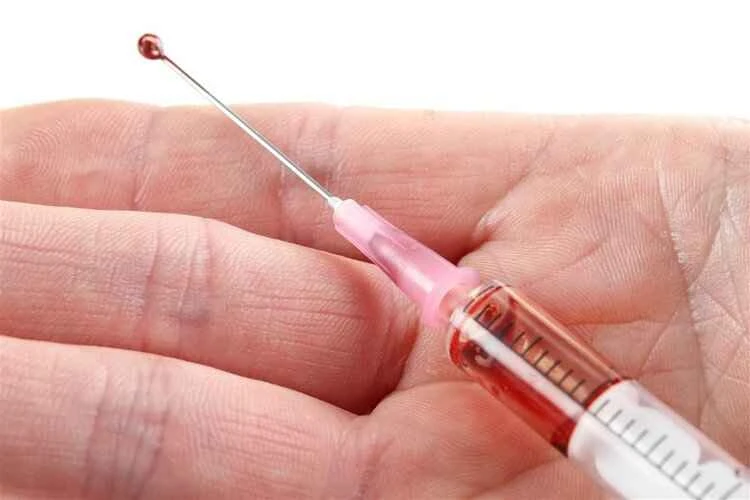
Currently, there is no cure for AIDS , but when prevention is compromised, there is a remedy: taking post-exposure prophylaxis (PEP) medication .
Post-exposure prophylaxis (PEP) is a medication used for HIV prevention after exposure. Its purpose is to prevent the replication and spread of the HIV virus in the body. PEP should be taken within 72 hours of exposure, with 24 hours being optimal . During this period, the virus has not yet spread, and taking PEP can effectively control and clear the virus.
Currently, PEP (post-exposure prophylaxis) medications are available at some hospital's STD/AIDS clinics or emergency rooms. For specific details, please contact your local disease control department directly . Before taking PEP medications, relevant tests must be performed to assess eligibility and safety.
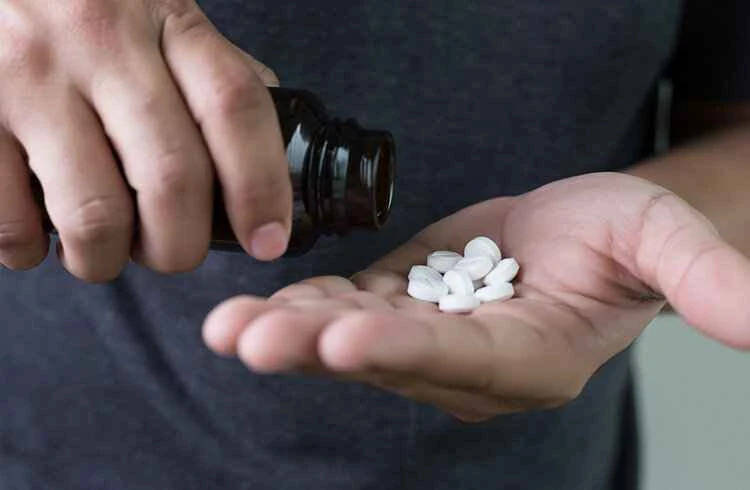
03 I have HIV, and I want to be a dad.
Zhang Qiao (pseudonym) is a male HIV-positive individual. Although he is married, he and his wife are hesitant to decide whether to have children. He is worried that he might transmit his HIV to a child.
On his 40th birthday, after consulting a doctor, Zhang Qiao learned that having a child was no problem! Sperm itself does not carry the HIV virus, so there is no risk of father-to-child transmission, and people living with HIV can have healthy babies. Soon after, through their efforts, Zhang Qiao and his wife had a healthy baby boy, and he finally experienced the joy of fatherhood.

Many people hold prejudices against people living with HIV/AIDS, are unwilling to interact with them normally, and even question whether having children harms the children. In fact, everyone has the right to reproduce, and people living with HIV/AIDS are no exception.
It's important to note that men living with HIV who wish to conceive need to undergo aggressive antiretroviral therapy, taking medication as prescribed and on time to maintain an undetectable HIV viral load for at least six months . After sexual intercourse, the woman must take post-exposure prophylaxis (PEP) within two hours and continue this regimen for 28 days . During pregnancy, both partners should be regularly tested for HIV infection as a precaution.
For women living with HIV, the risk is high because HIV can be transmitted from mother to child, potentially through in-fetal contact, childbirth, or breastfeeding. Generally, strict antiviral treatment and intervention in a hospital are necessary to have a chance of giving birth to a healthy baby.
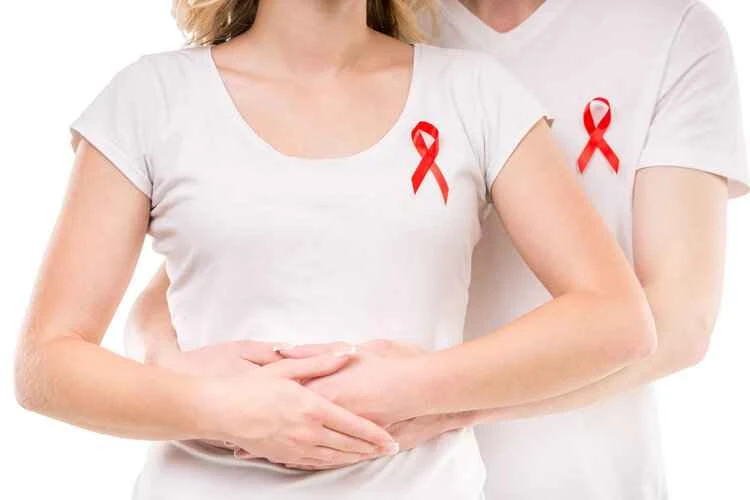
For every individual, HIV/AIDS has only two outcomes: either 100% or 0%. To achieve a zero risk of infection, vigilance and comprehensive preventative measures are essential. If prevention is inadequate and infection does occur, it is crucial to initiate post-infection intervention within the critical 72 hours, followed by timely testing and treatment.
So, as I always say: you must protect yourself!
References:
[1] Interpretation of knowledge on pre-exposure/post-exposure prophylaxis for HIV. Chinese Center for AIDS/STD Control and Prevention. 2019-12-16
[2] Scientific prevention of AIDS: all your questions answered here. Sichuan CDC. 2018-11-16
[3] Six basic facts you must know to prevent AIDS. Zhejiang Provincial People's Hospital. 2019-11-29