Ms. Liu, 48 , recently took a less demanding job and is now semi-retired. Lately, she's been experiencing frequent hot flashes, excessive sweating, and general discomfort. Even worse, she's prone to outbursts of temper, easily angered by the slightest thing. For example, she knocked on her neighbor's door and yelled at them because a little noise at night prevented her from sleeping peacefully. This has strained relations between her family and neighbors, causing her considerable distress.
Significant mood swings, irritability , anxiety, depression, or inability to control oneself are typical emotional symptoms during menopause .
The term " menopausal syndrome " refers to a series of physical and psychological symptoms that occur in women around the time of menopause due to fluctuations or decreases in sex hormones. Previously, the term " menopause " was used to describe this gradual period of change. However, due to its ambiguous definition, the WHO ( World Health Organization ) proposed abolishing the term " menopause " in 1994 and recommending the use of " perimenopause ." word.
1. At what age is it normal for women to go through menopause?
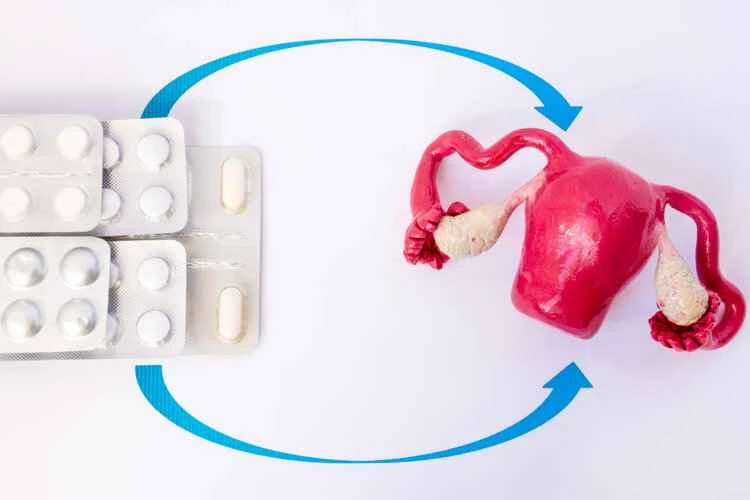
Menopause is a stage that most women will inevitably go through. According to He Chunni, chief physician of the Department of Obstetrics and Gynecology at the 900th Hospital of the Joint Logistics Support Force of the People's Liberation Army, the normal age for menopause in women is between 45 and 55 years old. During this age range, as ovarian function declines, menstruation gradually ceases until menopause occurs. It is important to note that this process of menopause is a normal physiological phenomenon.
II. Menstruation returning after menopause? Your body is reporting 5 things.
Most women worry about their health when they experience the return of their periods after menopause. Before worrying, it's helpful to understand the reasons why menstruation might return, which include the following five points:
1. It is normal to still have light bleeding in the first year of amenorrhea.
During the first year of menopause, women may experience occasional light vaginal bleeding. This is normal and nothing to worry about. This is mainly because the ovaries in menopausal women haven't completely ceased functioning and continue to secrete hormones. However, it's important to note that in later menopause, as the ovaries continue to decline and hormone secretion decreases, menopause will eventually cease completely.
2. Not only is there bleeding, but the vaginal discharge has also changed.
As women enter menopause, ovarian function declines significantly, estrogen levels drop, leading to varying degrees of atrophy and decreased immunity in the vagina, cervix, and endometrium. This makes them highly susceptible to bacterial and viral infections. Mild infections may cause changes in the color and consistency of vaginal discharge, such as white, yellow, foamy, or cottage cheese-like. More severe infections can result in irregular vaginal bleeding.
3. Arteriosclerosis affects the uterus.
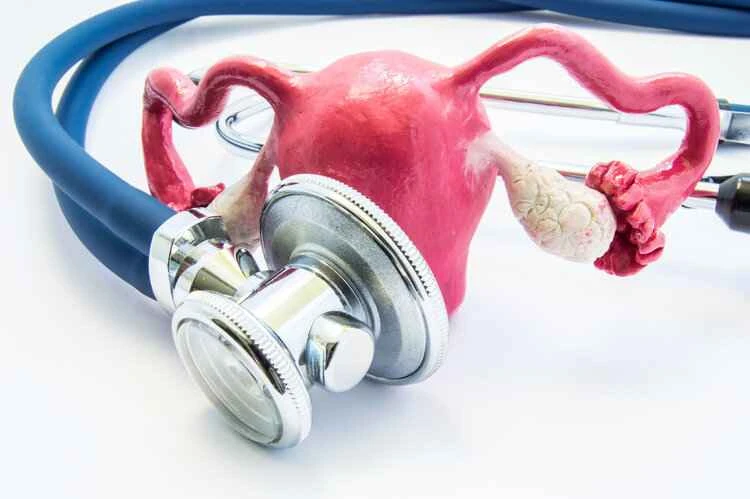
For postmenopausal women, the continuous decline in estrogen levels and the continuous increase in cholesterol and triglycerides can easily lead to uterine artery sclerosis . When uterine artery sclerosis becomes severe, it can cause local hypoxia, resulting in necrosis and bleeding of the endometrium, also known as uterine apoplexy.
4. Bleeding long after menopause is the most dangerous.
If you experience vaginal bleeding long after menopause, you should be vigilant, as it could be related to malignant tumors such as endometrial cancer, endometrial sarcoma, or cervical cancer. When malignant tumors occur after menopause, postmenopausal women may experience irregular vaginal bleeding, varying in amount, bright red or dark red in color, purulent discharge, and a foul odor.
5. Regular checkups are still necessary after menopause, as the menopausal period is a high-risk period for cancer.
For the sake of your health, you should have regular checkups even after menopause. This is mainly because the postmenopausal period is a high-risk period for tumors , and only regular checkups can ensure timely detection and treatment.
Third, menopause does not mean loss of sexual function.
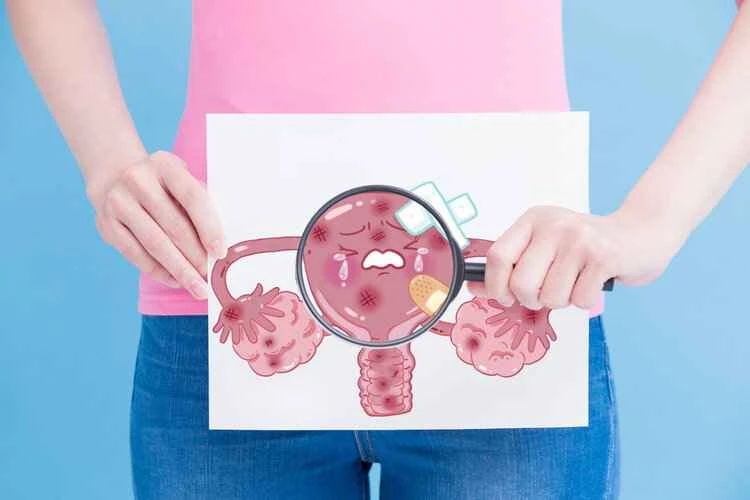
Most women who are menopausal or facing menopause believe that menopause means the loss of sexual function. This is incorrect. Even after menopause, sexual function remains, albeit significantly reduced. It's worth noting that appropriate sexual activity during menopause offers the following two benefits:
l. Delay aging and enhance immunity
Dr. Masanori Asatsu, a medical doctor at the University of Tokyo, Japan, has shown that a high level of X hormones is the material basis for delaying aging. Furthermore, a proper and harmonious sex life can not only help postmenopausal women prevent brain aging but also reduce the likelihood of psychosomatic illnesses. During menopause, appropriate sexual activity can enhance the activity of macrophages and interferon in the body, thereby preventing and avoiding certain cancers, such as breast cancer.
Furthermore, from the perspective of Traditional Chinese Medicine, the kidneys are the foundation of innate essence and store vital essence. For women, nourishing kidney essence can enhance sexual function, delay sexual aging, and also treat sexual dysfunctions, including perimenopausal syndrome.
2. Enhance marital harmony
It is well known that sexual intimacy is a spice that enhances and maintains the relationship between couples. This not only benefits the physical and mental health of both partners but also helps alleviate the symptoms of perimenopausal syndrome in women.
Therefore, it is clear that women in menopause should engage in appropriate sexual activity. So, what happens if they don't have sexual activity?
The most obvious consequence is accelerated aging. Modern research suggests a close relationship between female aging and sexuality. The decrease in sex hormone secretion in older women is a significant factor contributing to aging, and the normality of sex hormone levels directly impacts the aging process. Complete cessation of sexual activity during menopause will only lead to a decline in sexual function, further reducing X hormone secretion, and ultimately, accelerated aging.
IV. How should postmenopausal women take care of themselves?
Women often experience various symptoms around menopause, such as menstrual irregularities, sleep disturbances, frequent urination, urinary urgency, dizziness, and osteoporosis . These symptoms can significantly impact daily life, making it essential for women to take care of themselves. Clinical practice has shown that hormone supplementation under a doctor's guidance can alleviate these symptoms. Below are two methods for estrogen supplementation before and after menopause:
Method 1 : Oral estrogen and progesterone
Women around menopause who experience symptoms such as hot flashes, excessive sweating, and menstrual irregularities can improve their symptoms by taking oral estrogen and progesterone.
Method 2 : Oral administration of estrogen, progesterone, and Caltrate D
Women around menopause experience a gradual decrease in estrogen levels, leading to increased bone loss and potentially osteoporosis, even fractures. Clinical practice has shown that women with late menarche, early menopause, and a slender physique are more prone to osteoporosis around menopause. These women can appropriately improve their symptoms by taking oral estrogen, progesterone, and calcium supplements.
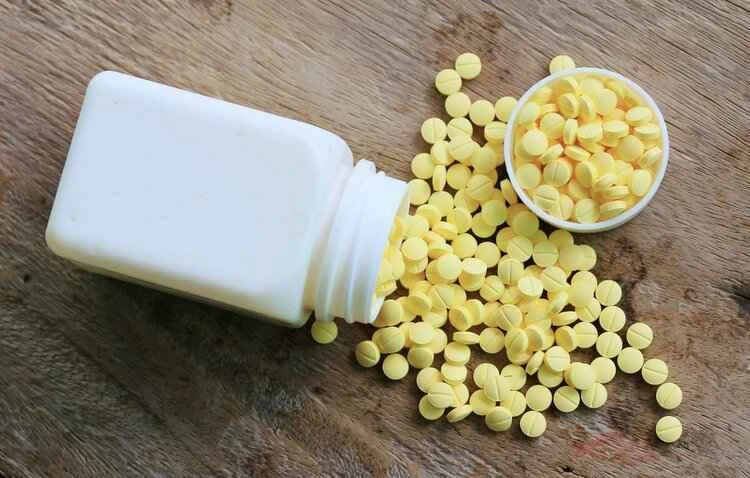
Finally, a reminder: when supplementing estrogen during menopause, it is best to do so under the guidance of a doctor. Do not supplement blindly on your own, otherwise it may affect your health.
References:
[1]. "Women's Menopause Is Not Better the Later It Is; Remember the 'Four Keys' to Delay Aging . " China Women's News . 2019-07-22
[2]. I've clearly gone through menopause, but my period is back again [J]. Chinese Family Doctor , 2017(14):56-56.
[3]. Wang Falong , Pang Baozhen , Pang Qingyang , Pang Huiqing . Sexual activity and daily life health care during perimenopause [J]. Guangming Journal of Traditional Chinese Medicine , 2014(03):193-194.
[4]. Fang Suhua . How women can supplement estrogen before and after menopause [J]. Seeking Medical Advice , 2010(6):32-33.