Author|A Zhuang
Source|Medical World Obstetrics and Gynecology Channel
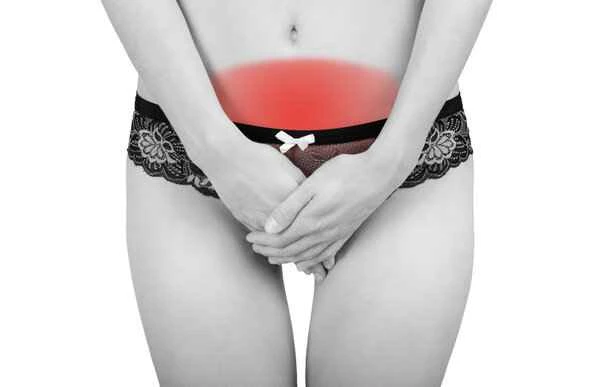
The term "pelvic floor dysfunction" is long and convoluted, and it seems like a term that only doctors need to understand.
However, when they talk about pelvic organ prolapse (POP) such as "uterine prolapse" and stress urinary incontinence (SUI), we start to be alert.
When we know that PFD affects about 25% of women in the United States and causes about 20% of adult women in Beijing to suffer from stress urinary incontinence[1], it is not difficult to see how much PFD affects the health of women and how much trouble it brings to mothers.
Pregnancy and childbirth pose a significant challenge to the pelvic floor muscles.
To understand PFD (Pelvic Floor Disorder), we must first understand the physiological functions of the pelvic floor. Since our ancient ancestors began walking upright, our pelvic floor has acted like a floor, supporting the weight of all the organs in our abdominal cavity. This floor is composed of the pelvis and the pelvic floor muscles. The pelvis is like the support structure of the floor, while the pelvic floor muscles play a crucial supporting role.
Unlike the strong support and fixation of the pelvis, the pelvic floor muscles are like a spring mattress, possessing a certain degree of elasticity. PFD (pelvic floor dysfunction) occurs when there is a problem with this spring mattress.
There are many causes of PFD, and epidemiological surveys show that pregnancy and childbirth are independent risk factors for PFD[2]. Pregnancy and childbirth put pressure on and stretch the pelvic floor muscles, making them weaker. And the problems caused by PFD are more serious than we think.
Stress urinary incontinence and pelvic organ prolapse cause significant inconvenience and psychological distress, which should not be seen as a reward for a woman's hard work during pregnancy. Therefore, whether to reduce the social health burden or to improve quality of life, we must thoroughly understand the causes of pelvic floor disorders.
The incidence of PFD varies depending on the mode of delivery.
European and American countries have always attached great importance to the prevention and treatment of pelvic floor diseases. In December 2018, Joan from the Johns Hopkins School of Public Health in the United States conducted an objective and in-depth study on the relationship between delivery method and PFD, and the results were published in the medical journal Journal of the American Medical Association (JAMA)[3].
In this cohort study of 1,528 women, researchers described the incidence of pelvic floor disorders (such as urinary incontinence) 5 to 10 years after their first delivery and identified maternal and obstetric characteristics associated with the pattern of onset. The study was followed up annually for nine years.
Researchers have found that cesarean sections can significantly reduce the risk of pelvic floor disorders, most notably pelvic organ prolapse, while surgical delivery (such as forceps delivery) increases the risk. For pelvic organ prolapse, these differences have increased over time.
For example, 15 years after their first delivery, among women who developed pelvic organ prolapse, 9% (7%-12%) had delivered by cesarean section, 30% (25%-35%) had at least one vaginal delivery, and 45% (37%-53%) had at least one surgical delivery.
Researchers also found that most new cases of urinary and fecal incontinence occur within the first five years postpartum, while pelvic organ prolapse tends to occur many years after delivery. Another finding was that genital hiatus size was significantly associated with all pelvic floor disorders, but most notably with pelvic organ prolapse. This suggests that genital hiatus size can serve as a marker to identify women at high risk of developing pelvic floor disorders and aging.
It is important to note that this study is the longest-running epidemiological study on pelvic floor dysfunction to date. However, this does not definitively prove the benefits of cesarean section. Rather, this study provides more evidence and a broader perspective for us to comprehensively choose the mode of delivery and reduce the risk of pelvic floor dysfunction.
Methods to improve pelvic floor muscles after childbirth
For mothers who have already experienced labor pains, appropriate lifestyle changes can help reduce their risk of postpartum labor pains (PFD). Here are 6 lifestyle tips:
Adequate water intake and proper urination habits;
Adjust your diet and increase your intake of water and fiber;
Adjust your bowel habits to ensure regular bowel movements so that you don't have to strain excessively during defecation;
Avoid excessive weight-bearing and exertion;
Lose weight and reduce smoking;
Effective treatment of accompanying diseases such as diabetes, cough, asthma, and constipation can reduce the impact on pelvic floor function.
Like all muscles, the pelvic floor muscles can also be exercised. For exercise instructions, watch Clair Baker’s video from the 2017 TED Talk.[5]
When the disease progresses and there are obvious symptoms, you should consult a doctor in time[1]. If you experience severe pelvic pressure, it is recommended to seek medical attention and be evaluated in time. You can try the first-line treatment for POP - placing a pessary.
Other methods include pelvic floor muscle exercises, biofeedback-guided pelvic floor muscle exercises, electrical stimulation, and magnetic stimulation therapy [4].
Generally, combination therapy is superior to single-method therapy. Studies have shown that non-surgical postpartum treatments are effective and have few side effects.
Regarding surgical treatment, there are numerous surgical methods for pelvic floor repair and reconstruction, but the results of various surgical treatments are not ideal. This is closely related to the complexity and diversity of pelvic floor repair and reconstruction surgery.
Therefore, when mothers experience pelvic floor discomfort, urinary incontinence, or a feeling of pressure after childbirth, it is crucial to seek medical attention promptly and receive appropriate medical guidance. This can help prevent the prolapse of pelvic organs from worsening, alleviate symptoms, increase the strength, endurance, and support of the pelvic floor muscles, and avoid or delay surgical intervention.
This article clearly demonstrates that sufficient attention paid to pelvic floor disorders and careful consideration of delivery methods by both obstetricians and expectant mothers are closely related to a woman's quality of life for years, even decades, after childbirth. This is a health topic that deserves our attention.
The above content is exclusively authorized for use only and may not be reproduced without the copyright holder's authorization.