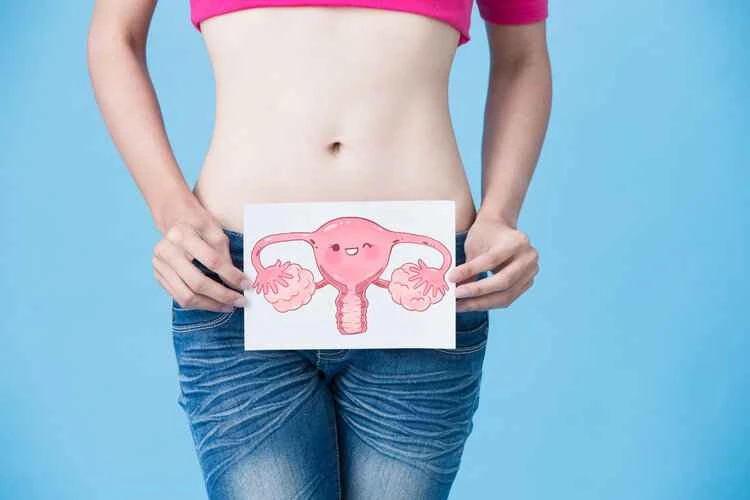
When some women still feel that menopause is far away from them, it suddenly appears.
So they panicked: Why? I'm not even 40 yet, how come I'm already menopausal??
Some women might be quite calm: "If it's gone, it's gone. I wasn't planning on having children anyway."
But does early menopause only affect fertility?
Your cardiovascular system is sending you warnings!
A recent study published in JAMA indicates that women who experience menopause before the age of 40 have an increased risk of cardiovascular disease, especially those who underwent surgical menopause due to bilateral oophorectomy.
To briefly summarize the research content:
The study included 144,260 postmenopausal women aged 40 to 69 between 2006 and 2010, divided into those with natural premature menopause (menopause before age 40 without oophorectomy) and those with surgical premature menopause (bilateral oophorectomy before age 40).
Women who did not experience premature menopause served as the control group.
The primary outcomes of the study were co-occurring coronary artery disease, heart failure, aortic stenosis, mitral regurgitation, atrial fibrillation, ischemic stroke, peripheral artery disease, and venous thromboembolism.
Secondary outcomes included hypertension, hyperlipidemia, and type 2 diabetes.
Of the 144,260 postmenopausal women, 4,904 (3.4%) experienced premature menopause due to natural causes, and 644 (0.4%) experienced premature menopause due to surgery. The average follow-up period was 7 years.
Compared to no premature menopause, the hazard ratios for the primary endpoint in the natural premature menopause group and the surgical premature menopause group were 1.36 (95% CI, 1.19–1.56; P < 0.001) and 1.87 (95% CI, 1.36–2.58; P < 0.001), respectively.
This study suggests that early menopause may coexist with traditional cardiovascular disease risk factors, and may also increase the likelihood of these risk factors occurring independently. Identifying women with early menopause and intervening in their lifestyles may have beneficial effects.
Upon reading this, I couldn't help but shudder and hurriedly began to wonder: Have I gone through menopause? How old was I when I went through menopause? What if I accidentally fell for something?
To explain all this clearly, we need to start with the most basic thing—the concept of menopause.
What constitutes menopause?
The permanent cessation of menstruation is called menopause.
According to the WHO definition, amenorrhea is defined as the absence of menstruation for 12 consecutive months, retrospectively determined after ruling out other clear pathological or physiological causes (such as pregnancy, hyperprolactinemia, etc.) at the time of diagnosis.
Menopause is not simply the cessation of menstruation; its essence is the failure of ovarian function, that is, the complete or near depletion of follicles and the cessation of ovulation.
Women who have undergone simple hysterectomy but have normal ovarian function are not considered menopausal. However, as in the study above, oophorectomy is considered surgical menopause.
At what age is menopause considered normal?
Globally, the age of menopause has remained relatively stable at around 50 years old.
The age of natural menopause varies among women of different countries, ethnicities, and regions, but it generally ranges from 44.6 to 52.0 years.
In my country, the average age of menopause for women is 49.5 years, with 90% occurring between the ages of 44 and 54.
Based on the timing of menopause, it can be divided into four stages:
Premature menopause is defined as occurring before the age of 40.
Premature menopause is defined as menopause occurring between the ages of 40 and 44.
Normal menopause occurs between the ages of 45 and 55.
Delayed menopause is defined as the period after age 55.
What are the disadvantages of early or late menopause?
Menstruation is a source of complaint for countless women, but when it comes to menopause, many women are reluctant to end their periods early.
Although menopause is a normal physiological process, it has a significant impact on women's health and is an independent risk factor for increased all-cause mortality in women.
As everyone knows, perimenopausal women often experience vasomotor symptoms, bone and joint pain, and other discomforts, which significantly affect their quality of life.
At the same time, diseases that affect women's health and well-being in old age, such as cardiovascular and cerebrovascular diseases and osteoporosis, also begin to appear during the perimenopausal period.
A woman who goes through menopause at age 40 may suffer from perimenopausal symptoms for a longer period than a woman who goes through menopause at age 50.
Although hormone replacement therapy is now widely used for perimenopausal women to alleviate their symptoms, taking medication for another ten years is not something women want.
In addition, women may also experience delayed menopause.
As women age, the incidence of certain malignant tumors increases.
Menstruation is a physiological phenomenon maintained by estrogen, but excessive estrogen stimulation may also lead to cancer in estrogen target organs such as the endometrium, ovaries, and breasts.
Although early or delayed menopause can have different effects, it does not mean that women with normal menopause age are without health problems. Therefore, regular check-ups are an indispensable part of women's health.
What causes changes in the age of menopause?
There are many factors that influence the age of menopause.
Aside from ovarian diseases and related physical conditions that cause premature ovarian function decline, women who have early menarche, are unmarried, childless, do not breastfeed, have few births, have low family income, low education level, experience high psychological or mental stress, are underweight or have restricted calorie intake or nutritional deficiencies, or smoke or have smoked before or are exposed to secondhand smoke are more likely to experience earlier menopause.
Obesity or being overweight, long-term use of birth control pills, and excessive alcohol consumption can also delay the age of menopause.
So how should we correct it?
Address the factors that lead to earlier menopause by taking appropriate remedial measures:
We must resolutely eliminate irreversible harms such as smoke and secondhand smoke, and try to avoid excessive drinking.
Establishing a regular sleep schedule, going to bed early and waking up early, engaging in moderate exercise, and relieving mental and physical stress are all beneficial for establishing a normal endocrine system.
Early on, it is important to consume a balanced diet, including high-protein, high-fiber foods, and plenty of fruits and vegetables. It is crucial not to allow weight gain to occur unchecked, nor to maintain an unhealthy, thin appearance for the sake of beauty.
Of course, for women themselves, regular check-ups and screenings should be conducted, and any illnesses should be treated according to medical advice, so that diseases affecting ovarian function can be cured or alleviated as much as possible, thereby extending the age of menopause.
The above content is exclusively authorized for use only and may not be reproduced without the copyright holder's authorization.