This morning while scrolling through Weibo, I stumbled upon this post: "My boyfriend is married, but I can't bear to let him get a divorce. I understand him; his wife had a hysterectomy and can't have sex..."
Upon seeing this, Xiao Jiu's professional instincts kicked in: This can't be! Statistics show that 90 million women worldwide have had their hysterectomies removed, and in China alone, over 1 million are forced to have them removed each year. Does this mean all these women are forever deprived of their sex lives?
So, Xiao Jiu interviewed Li Ye, the director of the Department of Gynecology at Beijing Hospital , to clear up our doubts.
Why is it necessary to remove the uterus?
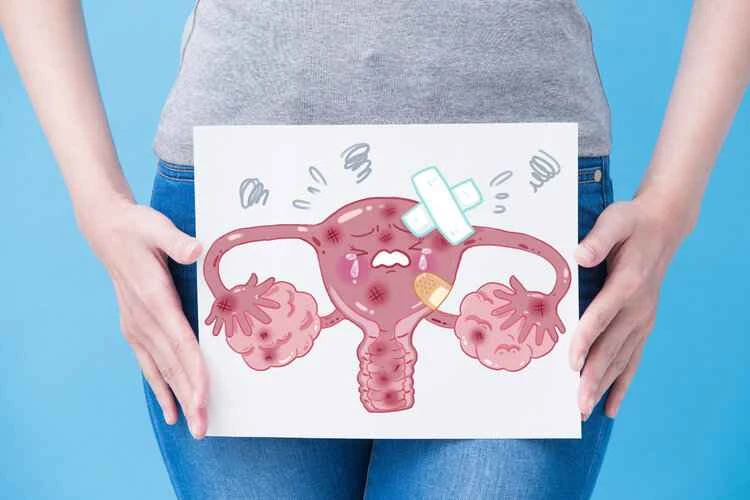
A woman's uterus is usually removed because of disease in the uterus or other reproductive system organs.
For example, cervical cancer, endometrial cancer, endometriosis, and malignant tumors of the ovaries or fallopian tubes all require hysterectomy when the condition is severe.
In cases of severe dysfunctional uterine bleeding that is unresponsive to conservative treatment, severe uterine rupture, pyometra, uterine inversion, uterine prolapse, severe adenomyosis, or complex postmenopausal endometrial hyperplasia, the doctor may assess the risks and benefits of hysterectomy and make the decision after further consultation with the patient.

Removing the uterus does not affect sexual function !
From a physiological perspective, the ovaries control the vaginal secretion function; during sexual arousal, a woman's vaginal lubrication comes from the ovaries. Removing the uterus while preserving the ovaries means that menstruation will cease and fertility will be lost, but it will not affect sexual life.
You will not become a man after having your uterus removed!
Dr. Li said that she often encounters this question in clinical practice: "After removing the uterus, I no longer menstruate and lose my fertility. Have I become a man?"
This idea is definitely wrong. Male and female sex depends on chromosomes and is determined at birth, not by the presence or absence of the uterus.
The relationship between the uterus and ovaries is like that of a gun and a target. If you remove the target, you can still shoot. After a hysterectomy, the ovaries will still ovulate, and the endocrine system will not change.
Are there any risks associated with hysterectomy?
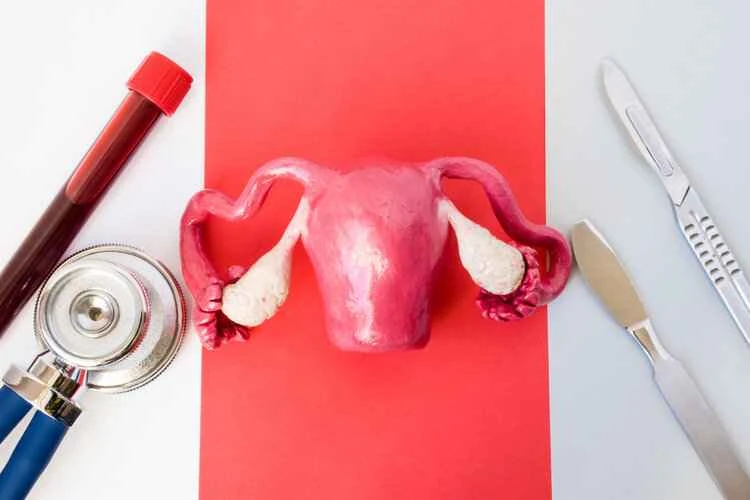
Some studies suggest that vaginal length may change slightly after a hysterectomy, potentially leading to individual differences in life satisfaction.
There is a blood supply relationship between the uterus and ovaries. When a hysterectomy is performed, some blood from the ovaries needs to travel up through the uterine artery. This necessitates ligating some blood vessels around the ovaries. If the blood vessels of the ovaries are damaged, it will affect the blood supply to the ovaries and may cause a partial decline in ovarian function.
Therefore, women must take good care of their uterus, have regular check-ups, and minimize the damage caused by diseases.
The above content is exclusively authorized for use only and may not be reproduced without the copyright holder's authorization.