The documentary series "My White Coat," which recently received a Douban rating of 8.4 and was filmed primarily at Shenzhen People's Hospital, has been airing to great acclaim. One segment in particular has sparked intense discussion. A young female doctor, while treating a patient, expressed her poignant reflection: "I never imagined that in this day and age, I would still encounter the dilemma of choosing between saving the mother and the child!"
The couple sought medical attention for pancreatitis, but the wife was already over a month pregnant with their second child. The doctor recommended a CT scan, explaining that the high dosage of medication required would significantly increase the risk of birth defects, necessitating an abortion. However, after careful consideration, the couple disregarded their urgent medical needs and suggested waiting until three months later, when the risk to the fetus would be minimal, before undergoing the CT scan. This decision sparked outrage among netizens.

Image source: Screenshot from the program
These real-life cases are heartbreaking, and they've even frightened young women in the comments section, prompting them to express their "daily fear of marriage and childbirth." So today, let's talk about what to do if complications arise during childbirth: save the mother or the child?
I. Treatment Approaches for Doctors When Facing Unexpected Situations
To facilitate understanding of clinical diagnostic and treatment approaches, we will briefly divide them into two categories:
1. When the mother is conscious
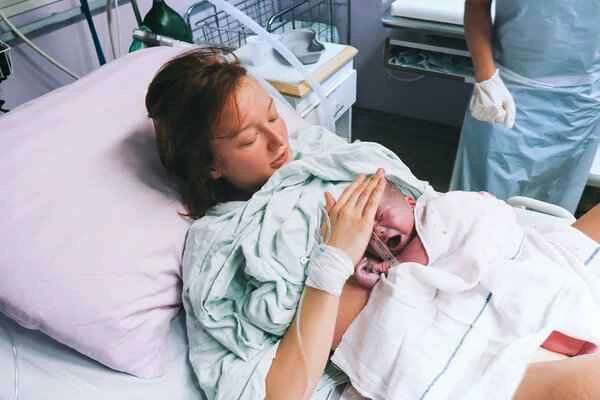
In the event of an accident, the decision is conscious and made by the mother. During childbirth, for various reasons, there may indeed be a situation where a choice must be made between the mother and the child. Such a choice is extremely difficult. If the mother is saved, the child may not even have a chance to see the world. If the child is saved, not only will the mother die, but the child will also be born without a mother, thus destroying three families.
At this time, if the mother is conscious, she can make her own choice to save herself or the baby, and the doctor will perform the surgery according to the mother's wishes.
2. When the mother is unconscious
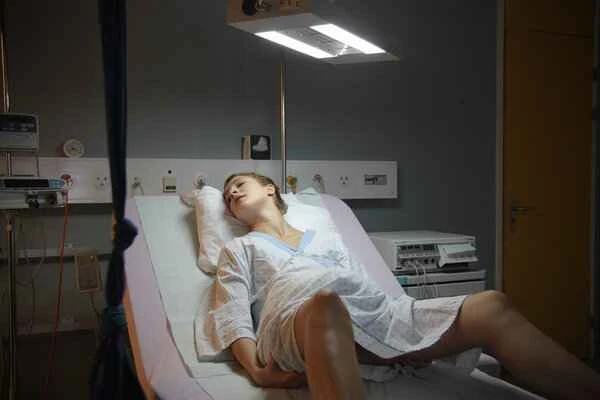
If the mother lacks autonomy, the right to choose rests with the doctor, and this can be further divided into two scenarios:
Before a child is born, there is only one choice: save the mother. Because the mother is the core of life, and the child and mother are connected by blood; only by saving the mother can the child be saved.
After a child is born, there is only one choice: save both the mother and the child. Because after the child is born, the two individuals can be rescued separately, without delaying either one.
Of course, in either case, doctors will do everything in their power to save the pregnant woman, even if there is only a very slim chance. Legally, maternal death is considered medical malpractice, and doctors who mishandle the situation are legally liable. Casually abandoning a pregnant woman is also unethical for a doctor.
II. Why do tragedies still occur, such as the death of both mother and child during difficult childbirth, and the dilemma of choosing between saving the mother and the child?
Legally and morally, doctors would not arbitrarily abandon pregnant women, but reality is far more complex. Why do tragedies still occur in reality where pregnant women die during difficult childbirth? We can glean some insights from the "Xiao Zhijun incident in 2007."

On November 21, 2007, Ms. Li, who was 41 weeks pregnant, was in critical condition due to a difficult labor and was taken to Chaoyang Hospital in Beijing by her husband. After three hours of routine resuscitation efforts, doctors pronounced Ms. Li dead.
Tragically, the loss of the pregnant woman's precious life was not due to outdated medical technology, financial difficulties, or medical malpractice. The direct cause was an unbelievable fact: before falling into a coma, the woman entrusted her husband with the decision, but he resolutely refused to sign the consent form, even going so far as to write: "Insist on medication, insist on not having a cesarean section, and bear the consequences yourself." A closer examination reveals three main reasons:
1. The family's ignorance delayed treatment.
It would have taken only seconds for him to give his wife a chance to live, but Xiao Zhijun's ignorance directly blocked the medical staff's rescue efforts, resulting in the deaths of his wife and child. His refusal to sign the consent form stemmed from his view of it as a "life-or-death contract" : once signed, the hospital would not be responsible for any medical malpractice or other problems.
In fact, a "surgical consent form" is not a so-called "life or death waiver," nor can it tolerate medical errors. It is merely a permit for normal medical procedures performed by the hospital . Without this consent form, a doctor's actions could constitute the crime of intentional injury.
2. Hospitals and doctors are in a dilemma.

Faced with increasingly fierce doctor-patient disputes and the informed consent system, hospitals and doctors are actually in a dilemma. The legal system, like a high-voltage line hanging over doctors' heads, means they are likely to consider legal regulations more than ethical considerations. After upholding medical ethics and performing a heroic act like insisting on surgery despite her husband's consent, they may face huge compensation claims and protracted legal disputes .
3. Deficiencies in the informed consent system
Article 33 of the Regulations on the Administration of Medical Institutions clearly stipulates that "when performing surgery, special examinations or special treatments, medical institutions must obtain the patient's consent and shall also obtain the consent and signature of the patient's family members or related persons."
While this regulation protects patients' rights, it also raises several issues: First, it neglects the role of the patient , whose right to informed consent should be prioritized; second, the definition of "family members" and "related persons" is not clear enough ; and third, the law does not clearly stipulate emergency procedures for similar situations, and a safety net should be established to prevent erroneous decisions by "family members" and "related persons" from infringing on the patient's interests.
III. How can pregnant women protect their rights in such a life-or-death situation?
The maternal mortality rate has decreased from 5‰ before liberation to 0.18‰ now. China's medical technology is relatively advanced and can protect pregnant women. However, the possibility of complications during childbirth cannot be ruled out. So, how can we protect our rights when facing such a major life event as childbirth?
1. Prevention in advance
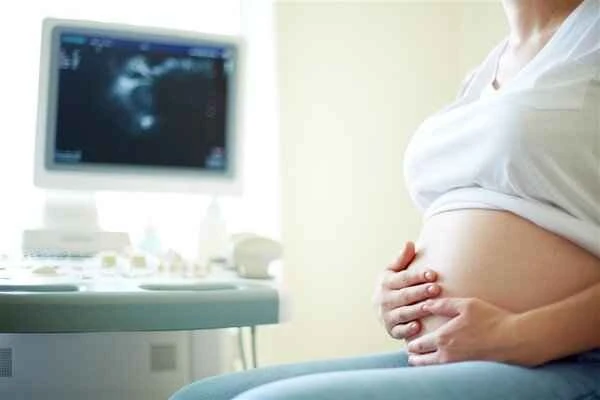
To avoid situations like "saving the mother or the baby" or difficult labor, the first step is to raise awareness of eugenics, pay attention to the health of both partners, and have premarital checkups in advance . After becoming pregnant, it is also important to have regular prenatal checkups , monitor fetal changes closely, and address any problems as early as possible.
2. Understand in advance
Pregnant women should avoid overthinking before delivery; learning about scientific childbirth is the right approach! Expectant mothers and fathers should also do their homework beforehand, learning more about pregnancy maintenance and care, understanding the potential risks of childbirth , and the rights women have during pregnancy and childbirth.
3. Communicate and make choices in advance.

Choosing a reputable hospital in advance and avoiding unlicensed clinics is crucial to avoid a lot of unnecessary trouble.
Choosing a representative in advance and carefully considering the signing of a power of attorney (to authorize someone else to make decisions on your behalf when you are unconscious) allows sufficient time to communicate with your family, express your wishes, and carefully consider who to choose as your representative to make decisions on your behalf during this important moment in your life. This avoids rushing to complete a series of procedures and sign a stack of documents at the hospital just before delivery.
Fourth, as a pregnant woman, should she take the risk to save her child?

In general, girls don't need to fear marriage or childbirth. China's medical technology is relatively advanced, and the childbirth process is not as difficult as depicted in TV dramas . Expectant mothers should not overthink things. Pregnancy anxiety caused by fears such as "childbirth will be too painful," "the baby will be deformed," or "the husband will choose between saving the mother and the baby in case of an accident" is counterproductive and will negatively impact both their own and their baby's health.
As a pregnant woman, how should you choose between saving the mother and the baby? Should you take the risk to save the child? The choice is difficult, and whatever you decide should be respected. But you must be extremely cautious, because medicine cannot solve all problems, and life is only given to you once, leaving no room for wishful thinking.
The above content is exclusively authorized for use only and may not be reproduced without the copyright holder's authorization.