Elders often say that menarche signifies that you've become a true woman. For women, regular menstruation is an important indicator of reproductive health. However, during menstruation, the cervix is relatively open, making it more susceptible to bacterial infections. Therefore, menstrual hygiene is extremely important. So, how should young women maintain good menstrual hygiene?
1. Selection and Use of Sanitary Products. For menstrual hygiene, choosing the right sanitary napkins is the most basic and healthy choice. Properly made sanitary napkins play a crucial role in preventing bacterial invasion. Secondly, sanitary napkins should be changed frequently. If the packaging indicates a change interval, they should be changed at least every four hours to avoid bacterial growth due to prolonged use. Of course, it's also important to change underwear frequently.
2. Moderate cleaning of the genital area. During menstruation, bacteria may grow in the genital area due to menstrual blood residue. But how should it be cleaned correctly? Experts say that genital cleaning is necessary during menstruation, but there's no need to use special cleaning products or over-cleanse. The vulva naturally regulates its environment to prevent bacterial invasion; excessive cleaning can disrupt the balance of vaginal flora, allowing pathogens to thrive. Therefore, experts generally recommend showering to avoid introducing bacteria directly into the vagina from a bathtub. However, for those with severe menstrual cramps, a warm bath can be used to relieve pelvic congestion.
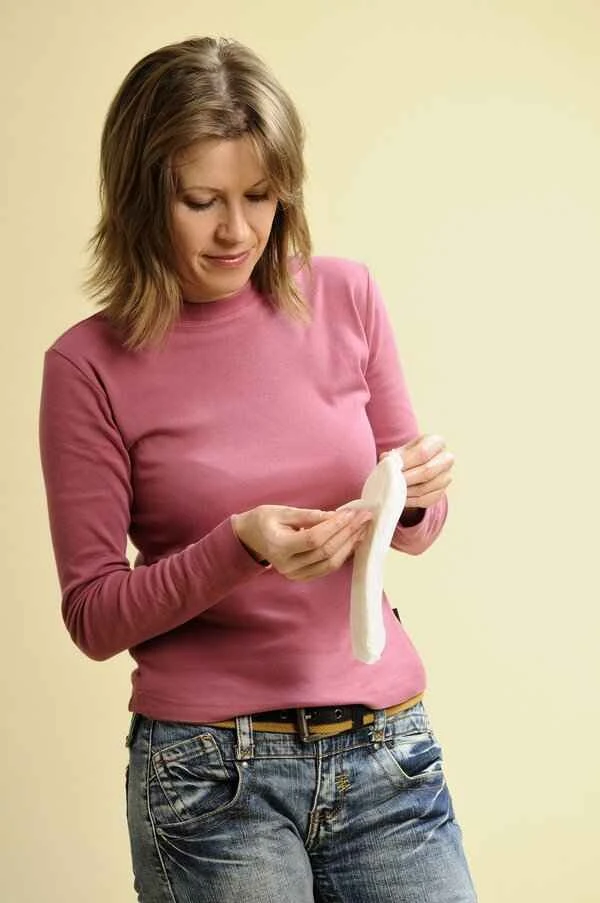
3. Clothing Considerations During Menstruation. Clothing during menstruation requires careful consideration. First, avoid wearing overly tight pants. Tight pants compress local capillaries, affecting blood circulation, increasing friction in the perineum, and easily causing perineal congestion and edema, and may even lead to urinary and reproductive system infections. Second, pay attention to keeping warm during menstruation and avoid catching a cold, otherwise it may lead to blood stasis and cause dysmenorrhea.
4. Pay attention to diet and hygiene. Two points to note regarding diet during menstruation: firstly, ensure adequate nutrition; secondly, avoid irritating foods. Women lose some blood during menstruation and therefore need to replenish certain nutrients, such as protein, vitamins, iron, and calcium. Therefore, during menstruation, women should eat more eggs, lean meat, fish, soy products, and fresh vegetables and fruits. In addition, avoid raw, cold, and spicy foods to prevent irritating the uterus.
5. Mental health during menstruation. Emotional state can also have a certain impact on women's physiology, especially during menstruation. If a woman is emotionally agitated, irritable, or easily angered, it can cause qi stagnation, which can lead to delayed menstruation, dysmenorrhea, and in severe cases, amenorrhea.
6. Avoid strenuous exercise during menstruation. During menstruation, avoid strenuous exercise such as long-distance running and swimming, as well as heavy physical labor. Pay attention to balancing work and rest. Strenuous exercise during menstruation can not only disrupt the normal menstrual cycle but may also lead to various diseases such as uterine prolapse, ovarian rupture, and ovarian cysts.
7. Temporarily abstain from sexual activity. The vagina's defenses are relatively weaker during menstruation, so sexual activity during this time may increase the likelihood of bacterial invasion. Furthermore, the uterine lining is shedding during menstruation, and sexual activity during this period may cause premature damage to the reproductive organs, such as inducing inflammation, prolonging menstruation, or other related diseases.
Original content from www.39.net. Unauthorized reproduction is prohibited and will be prosecuted. For content cooperation, please contact: 020-85501999-8819 or [email protected]. The above content is exclusively authorized for use only and may not be reproduced without the copyright holder's authorization.