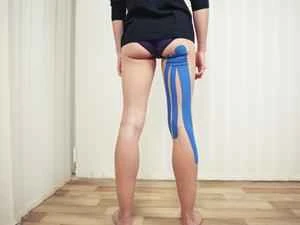
It is said that exercise is good for physical and mental health and can prolong life, but a couple who have been exercising for ten years were told that they need to undergo knee replacement surgery. Why is that?
Ten years ago, Ms. Lu, then 64, was diagnosed with diabetes. To help control her blood sugar, her husband decided to exercise with her. For the past ten years, he has accompanied his wife on a daily brisk walk, almost 10 kilometers each day.
To their utter surprise, ten years later, both of them began to experience joint pain and swelling, especially when they first started walking each morning.
After examination, it was found that both of their knees were severely damaged, with Ms. Lu's condition being more serious. In the end, the doctors performed knee replacement surgery on both of them.
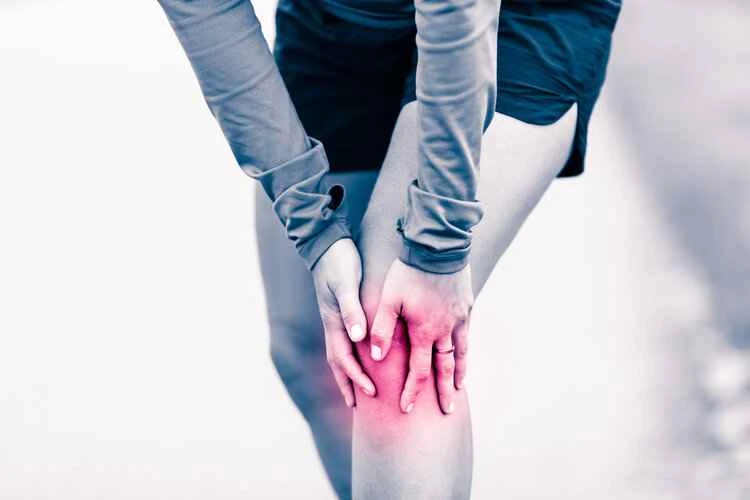
Improper exercise can cause your knees to "retire" prematurely!
Improper exercise can easily damage the knee joint, which is related to several factors:
High-intensity exercise. People who run a lot are generally prone to knee injuries. Even with adequate warm-up and preventative measures, they can still suffer varying degrees of knee damage. This is why even professional athletes experience sports injuries to varying degrees.
Inadequate warm-up . Not warming up properly or not warming up before running can also injure your knees. Generally, the higher the intensity of the run, the longer the warm-up needs to be. Therefore, sprinters warm up much more thoroughly than long-distance runners. Exercising without warming up can lead to knee cracking and inflammation, and is also prone to muscle strains.
The location is the problem. The hardness of the running surface directly affects the impact on the knees, so a surface that is too hard can easily injure the knees. The best running track is a synthetic track. If that's not possible, you can wear knee braces to reduce the impact.

How to heal your knees?
Knee problems can seriously affect a person's daily life, so it is necessary to take protective measures in daily life.
—Sports
1. Reduce physical activity
High-intensity exercise is the most common cause of knee problems. It is essential to control your daily exercise volume and not exceed five kilometers. The ideal level is when you sweat slightly and your heart rate increases by 10-20 beats per minute.
2. Non-weight-bearing knee joint exercises
It is best to choose brisk walking and jogging for exercise, as they put less stress on the knee joints. In addition, cycling in the air and swimming can also help protect the knee joints.
—Lifestyle
1. Avoid squatting and kneeling.
Squatting and kneeling involve the use of the knee joint, and if done too frequently, it will inevitably cause damage to the knees.
2. Wear knee braces
Knee joints are easily affected by cold and dampness, which can easily lead to arthritis, especially in autumn and winter. It is essential to keep your knees warm and wear knee braces.

Popular Science: When is a knee replacement necessary?
Patients with advanced knee osteoarthritis who experience significant pain, narrowed joint spaces, knee deformities, or whose condition severely impacts their daily lives require surgery. On the other hand, patients with severe knee damage due to rheumatoid arthritis can also improve their quality of life through knee replacement surgery. Additionally, some patients, even if their condition is not severe on imaging, may experience pain sensitivity and require surgical intervention.
While exercise is beneficial to health, it is essential to choose an appropriate level of intensity; otherwise, it may have negative effects.
References:
Li Huijun, Zhang Chenliang. Be careful of knee damage from strenuous exercise [J]. Family Science, 2011: 28-29.
Zhou Ying. How to protect your knees [J]. Family Medicine, 2017