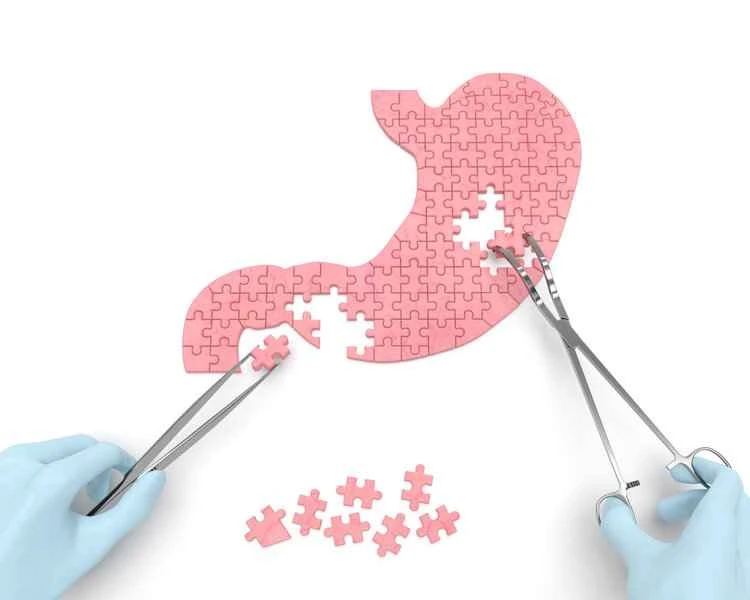
"See this disinfectant? We wash our hands with disinfectant every time we enter the ward, and we also wash our hands with disinfectant after making rounds. This can largely prevent the spread of germs." Li Ye, director of the Department of Gynecology at Beijing Hospital, said to the reporter while washing her hands with disinfectant after coming out of the ward. This is why we need to wash our hands before and after using the toilet, for the same reason as disinfecting when entering and leaving the ward.
Washing hands after using the toilet is common knowledge, but few people know that washing hands before using the toilet is also important. A reporter conducted a field survey at toilet sinks in four different locations and found that 99% of people washed their hands after using the toilet, while only two women washed their hands before using the toilet. Even in hospitals, where germs are relatively more prevalent, no one washed their hands before using the toilet. So, let's discuss the importance of washing hands before using the toilet.

Can you get gynecological diseases if you don't wash your hands before using the toilet?
A search for the dangers of not washing hands before using the toilet on a search engine revealed that it may cause a series of gynecological diseases such as vaginitis and yeast infections. Regarding this issue, Dr. Li Ye said: "No one has conducted specific research in this area, and there is no scientific evidence to prove that not washing hands before using the toilet will cause gynecological diseases. However, washing hands before using the toilet is definitely beneficial to women's health. There are many bacteria and viruses on the hands. If you don't wash your hands before using the toilet, the bacteria left on your hands may harm your delicate reproductive organs, especially if you have sexual intercourse afterward, then the bacteria are very likely to enter your body."
Among the patients Dr. Li encountered, one patient suddenly realized how important it was after learning that he needed to wash his hands before using the toilet. Every day, he would come into contact with door handles, subway handrails, mobile phones, keyboards, and other surfaces, leaving bacteria on his hands. How could a thin layer of toilet paper possibly protect him from all of that? From then on, he would wash his hands very carefully before using the toilet and would also disinfect the door handles in his home.
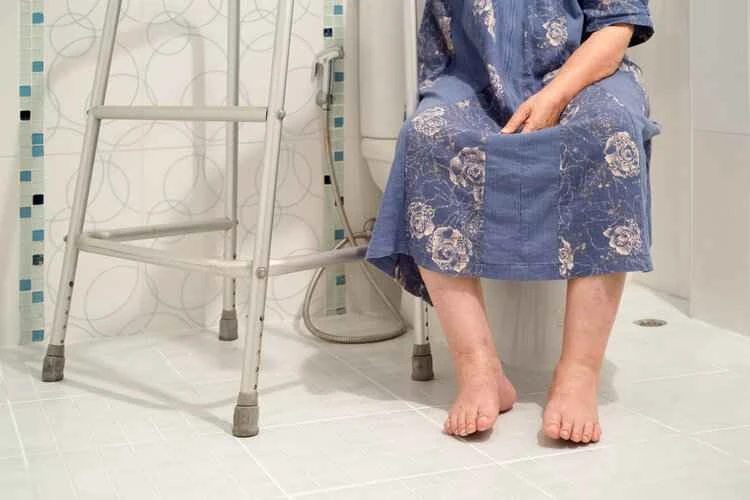
How dirty are our hands?
A Beijing hospital once conducted a survey— how dirty are our mobile phones? Dr. Li's phone, after being gently wiped with a cotton swab, contained 4,000 bacterial colonies. Not only mobile phones, but also stair railings, keyboards, keys, and elevator buttons harbor tens of thousands of bacteria.
Online research indicates that the skin of a single hand contains at least 400,000 to 400,000 bacteria . Fingernails, being excellent hiding places, harbor even more; just one gram of nail dirt contains approximately 3.8 to 4 billion bacteria. Among them are over 30 types of bacteria and viruses that can cause illness, the most common being typhoid bacilli, dysentery bacilli, hepatitis viruses, E. coli, and diplococci. Furthermore, many parasite eggs may also be present. Thinking about this, the habit of not washing hands before using the toilet is truly terrifying.
"I feel especially happy when I wash my hands before using the toilet and see the soap foam get a little dirty and then rinse away with the water." This is a sentiment shared by a friend who consistently washes their hands before using the toilet. Developing good handwashing habits before using the toilet and washing our hands promptly removes many bacteria that adhere to our hands. A simple handwashing can eliminate many bacteria; prevention is the best form of treatment. Let's all wash our hands before using the toilet!
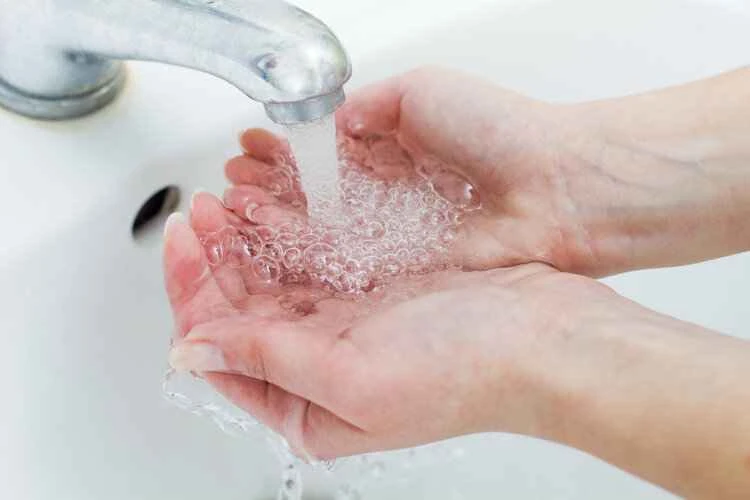
How should you wash your hands?
1. Rinse your hands with running water.
2. Add detergent or soap and lather with your hands.
3. Carefully rub your palms, backs of hands, nails (inside and out), fingertips, and the area between your thumb and forefinger for at least 10 seconds before rinsing.
4. Rinse with running water for at least 10 seconds.
5. After wiping your hands completely clean, rinse them thoroughly with clean water.
6. Dry your hands thoroughly with a dry towel or paper towel, or use a hand dryer to dry your hands.
7. After cleaning your hands, avoid touching the faucet to prevent getting your hands dirty again. You can also rinse the faucet clean before turning it off.
The above content is exclusively authorized for use only and may not be reproduced without the copyright holder's authorization.