Everyone says that having a baby is a natural thing, but when it comes to actually giving birth, women often only realize the pain behind it! The process of childbirth is certainly not easy, but the postpartum period is even more painful. The baby cries all night long, and the mother, who is physically weak, cannot sleep all night long. Sometimes, there are also disagreements with family members about childcare!
Exhausted! One day, while your child is asleep, you sit in front of the mirror to do your hair. As you comb through your hair, you see a clump of hair and your hairline is receding precariously.
She promised to be a hot mom, so how did she end up as a bald mom?
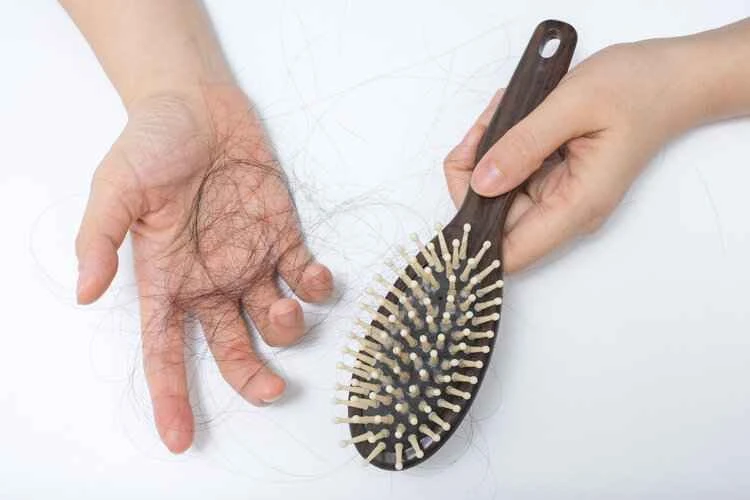
Postpartum hair loss is very common, so moms can relax!
People born in the 1980s are going bald, and those born in the 1990s are experiencing hair loss! It seems that the whole society is facing a hair loss crisis!
Postpartum hair loss is a common problem for mothers, and it's called "postpartum alopecia." Nearly half of all mothers experience this, and it's generally believed to be related to the rapid drop in estrogen levels after childbirth.
From this perspective, postpartum hair loss is a normal physiological phenomenon and there is no need to worry too much. Generally speaking, after about six months, as the mother's body gradually recovers, new hair will grow back.
Hair loss isn't scary; what's scary is not being able to grow new hair! If your mother's hair still hasn't grown back after six months or a year and she's at risk of going bald, she should be careful and it's best to consult a dermatologist for professional advice.
Treating postpartum hair loss isn't a cure-all with just food!
When faced with health problems, many Chinese families tend to think about food first, and this is often the case when postpartum mothers experience hair loss.
Many people have heard that black sesame seeds, walnuts, black beans, and black rice are good for hair, so they rush to buy them and eat them three times a day! However, after eating them for a while, they may have gained a lot of weight, but their hair hasn't grown back.
Postpartum hair loss certainly requires nutritional support, but blindly taking supplements is not a smart move, and relying solely on diet to solve hair loss problems is far from enough!
1. Wash your hair properly
Many families still insist on the habit of not washing hair or brushing teeth during the postpartum period. In fact, this is an extremely unhygienic habit that can also cause health problems for mothers. For example, if you don't wash your hair for a long time, there will be more oil and dust on your scalp, and your hair will naturally fall out more easily.
You should wash your hair after giving birth, just be mindful of the water temperature!
2. Ensure sufficient sleep
Even healthy people can experience hair loss from prolonged sleep deprivation. Postpartum mothers, often staying up all night to care for their babies, are also prone to hair loss, which is understandable. It's recommended to help care for the baby with family members and prioritize getting enough sleep, as this will aid in hair recovery.
3. Postpartum women should pay attention to regulating their emotions.
Emotions are intangible, but they can definitely affect health, and hair loss is one of them. Postpartum mothers are sensitive and vulnerable, so family members should take the initiative to show them more care. Mothers themselves also need to find an outlet for their emotions in a timely manner and adjust them promptly. A good mental state will lead to better physical conditions such as hair loss.
The above content is exclusively authorized for use only and may not be reproduced without the copyright holder's authorization.