The 2017 Global Nutrition Report indicated that my country has the second-highest prevalence of anemia among women globally, second only to India. Women often find this puzzling, wondering why they are the only ones suffering from anemia. Today, let's take a closer look at this issue of anemia in women.
Why are women prone to anemia?
First, let's understand the principle of anemia. An important indicator for doctors to determine whether someone is anemic is the amount of hemoglobin, and iron is the core element that makes up hemoglobin.

Due to their unique physiological and personality characteristics, women are prone to anemia. Furthermore, many women are very concerned about their figure, often controlling their diet, even resorting to excessive dieting, avoiding meat, and only eating fruits and vegetables, leading to malnutrition. Meat is rich in iron, while the iron in plants is mostly non-heme iron. Therefore, a diet that avoids meat and focuses on vegetables is more likely to cause anemia.
Pregnant women are most prone to anemia, with an anemia rate of 17.2% among pregnant women in China. During pregnancy, a woman has to supply the blood of two people, leading to an increase in blood volume. Plasma volume increases three times that of red blood cells, which can cause varying degrees of anemia in pregnant women.
Modern society moves at a fast pace, with immense work pressure. While women's status is rising, they play important roles in the workplace and remain the primary caregivers in the family. The enormous work pressure and family responsibilities leave many women physically and mentally exhausted, leading to endocrine disorders, menstrual irregularities, and excessive menstrual bleeding, resulting in excessive red blood cell loss and anemia .
Most women pursue beauty, and their daily lives are inseparable from hair care, beauty treatments, and makeup. Some inferior hair dyes and cosmetics contain excessive lead, which can hinder the production of red blood cells and cause anemia.
Anemia is not a simple matter; its consequences can be terrible.
1. Anemia affects an individual's physical performance and the prognosis of various treatments. For example, a decrease in the number of red blood cells in the kidneys can harm the entire body system and various organs. If it is not detected early, chronic kidney disease will accelerate to end-stage renal disease, increasing the risk of cardiovascular disease and mortality.
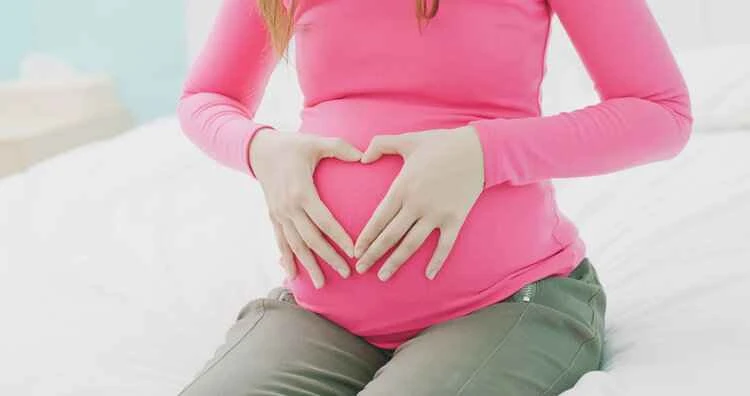
2. Anemia in early pregnancy can cause neural tube defects in the fetus, leading to placental insufficiency and miscarriage . Anemia in late pregnancy can reduce labor tolerance, triggering uterine contractions and increasing postpartum hemorrhage.
3. The body is easily fatigued, and often dizzy, headache, tinnitus, insomnia, and difficulty concentrating. In severe cases, patients may also develop symptoms of dementia.
4. Frequent nausea, abdominal distension, and loss of appetite.
5. Dry skin, dull and sparse hair.
6. Women with excessive or insufficient menstrual flow, irregular menstruation, and decreased libido.
How to properly treat anemia in women?
Women with anemia should pay attention to their diet: eat more foods containing iron, folic acid, and vitamins, such as beef, beans, animal liver, and egg yolks.

Keep a cheerful mood, reduce life stress, and ask your family to help you with housework.
Pregnant women with anemia should supplement with folic acid, vitamin B2, etc., under the guidance of a doctor to reduce the harm caused by anemia to the body.
Drink less tea and coffee. These two types of drinks contain substances that can hinder the body's absorption of iron and worsen anemia symptoms.