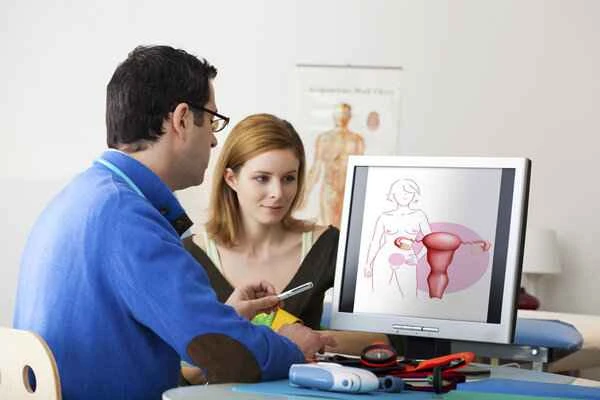
Once a woman's body has recovered after childbirth, many couples gradually resume their sex lives. Some women have sex even before their menstrual cycle returns postpartum, and whether or not to use contraception becomes a major dilemma. Some even believe that women do not ovulate during breastfeeding.
Is that really the case?

How long after childbirth do women resume ovulation?
Many people believe that ovulation only begins after menstruation, so they think that there is no need to take contraceptive measures when menstruation has not yet started after childbirth.
However, most postpartum women recover and resume normal ovulation before their menstruation returns. The time it takes for ovulation to resume postpartum depends on the specific circumstances. If a woman breastfeeds little or not at all, she may resume ovulation 2-3 months postpartum, and some women may even start ovulating as early as 40 days postpartum.
Mothers who are breastfeeding tend to have their periods return later because breastfeeding increases prolactin levels and decreases sex hormone secretion, thus inhibiting ovulation. Conversely, mothers who are not breastfeeding experience a faster return to normal hormone levels, allowing them to ovulate earlier once their bodies are in a healthy state.
So, can breastfeeding be a natural form of contraception?
cannot.
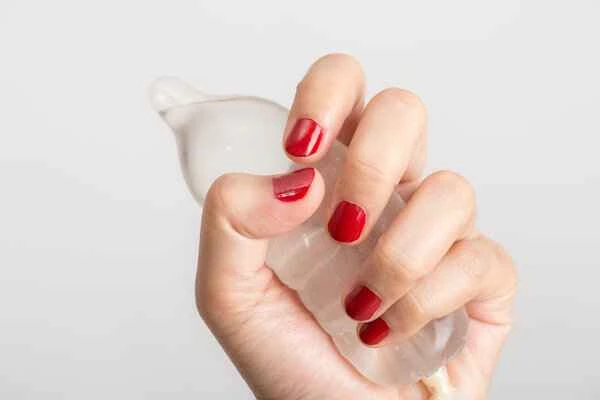
First, it's important to understand that "absence of menstruation" does not equate to "anovulation," and the breastfeeding period is not short, so it's uncertain whether ovulation has resumed during this time. To be on the safe side, if you engage in sexual activity during the postpartum breastfeeding period, you should still use contraception.
Because the situation is quite special during breastfeeding, it is not recommended to take birth control pills, as they may affect the child through breast milk. Therefore, it is best to choose contraceptive methods such as condoms or IUDs. It is important to note that shortly after childbirth, a woman's body is not fully recovered, especially the uterus, which has just experienced ten months of pregnancy. If contraception is not used at this time and an unplanned pregnancy occurs, it will be very detrimental to both the woman and the fetus.