Gynecological problems are often a source of disruption to women's daily lives. For example, many women have experienced a sudden increase in vaginal discharge. This raises the question of what to do about it. Below, we'll introduce some relevant information on this topic.
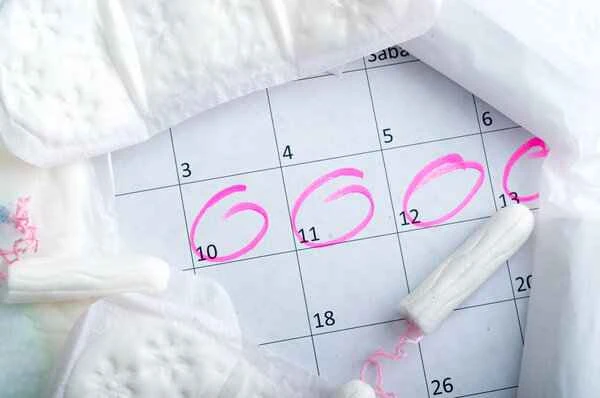
What should a woman do if she has excessive vaginal discharge? Gynecologists remind everyone that if a woman experiences a sudden increase in vaginal discharge before or after her period, this is normal. However, if a woman consistently has a large amount of vaginal discharge, it is considered abnormal, a common gynecological condition. It is recommended that women with this condition visit a reputable hospital for examination. Women should also understand their own menstrual cycle.

What to do about excessive vaginal discharge in women? Generally speaking, excessive vaginal discharge in women mainly occurs under physiological conditions, such as three to two days before and after menstruation, during ovulation, pregnancy, and sexual intercourse. This is because estrogen levels are higher during ovulation, leading to increased secretion from the cervical glands, which becomes thinner and lowers the vaginal pH, thus increasing vaginal discharge.
Experts tell us that vaginal discharge is generally more abundant around a woman's menstrual period, during ovulation, and during pregnancy. If there are no other accompanying symptoms, this is considered "physiological vaginal discharge," which is perfectly normal. Additionally, around menstruation, pelvic congestion and estrogen levels increase vaginal and cervical secretions, contributing to increased discharge. After menstruation ends, blood flow to the uterus and vagina gradually returns to normal, and vaginal discharge decreases. Increased discharge also occurs during periods of fatigue and ovulation; these are all normal phenomena.
However, gynecologists remind women that if they experience excessive vaginal discharge, they should not blindly use cleansers or medications, as this could worsen their condition. When dealing with excessive vaginal discharge, women should also pay attention to the following points:
1. Female friends should try to wear tight pants or jeans as little as possible, and women's underwear should be made of cotton.
2. We women should try to avoid using panty liners on a regular basis. Some women, worried about vaginal discharge staining their underwear, like to use panty liners even when they are not menstruating. In fact, panty liners have poor breathability and are not hygienic with long-term use. If a poorly sterilized panty liner is used, it will have the opposite effect.
3. We women should pay attention to strengthening our immunity in our daily lives: persist in exercising, improve our physical fitness, get enough sleep, eat a reasonable and balanced diet, and eat more foods rich in vitamins.
4. We women should pay attention to psychological adjustment in our daily lives: do more things that make us happy, learn psychological adjustment, maintain a good mental state, and avoid being overly excited or impatient.
In conclusion, dealing with excessive vaginal discharge in women is not a difficult problem; we women know the answer ourselves, so there's no need to worry.
Original content from www.39.net. Unauthorized reproduction is prohibited and will be prosecuted. For content cooperation, please contact: 020-85501999-8819 or [email protected]
The above content is exclusively authorized for use only and may not be reproduced without the copyright holder's authorization.