On television, we often see love that lasts until death and family bonds that are unbreakable, as if the world is a wonderful place.
But for Yu Feifei (pseudonym), her relationship with her husband ultimately left only with the bittersweet truth and their own choices.
"I don't know why he has become like this; he's completely different from before."
My husband said: We'd sell the house to pay for treatment.
Yu Feifei and her husband have been married for almost 20 years, and their relationship has always been good. Their son is already in college.
At the age of 46, Yu Feifei suddenly felt a hard nodule in her right breast while taking a shower. After a hospital examination, she was diagnosed with late-stage breast cancer , and the cancer cells had already metastasized to the lymph nodes under her armpit.
After the diagnosis, the husband was panicked and saddened , but Yu Feifei remained relatively calm. She thought, " If I'm sick, I should get treatment, " so she checked into the hospital.
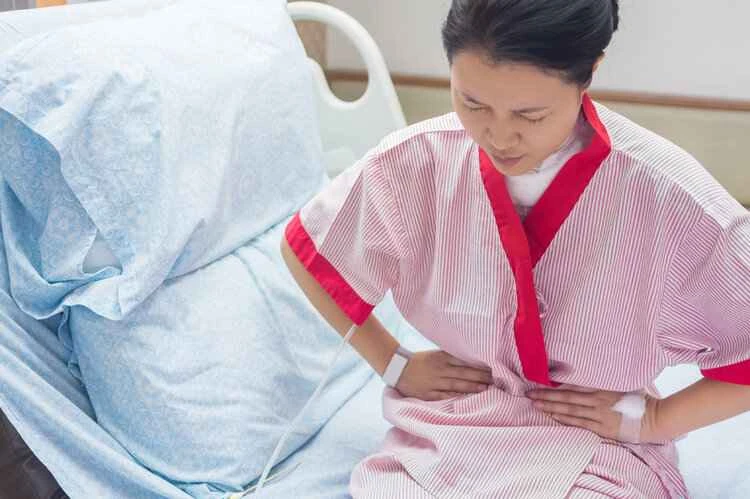
During her hospitalization, Yu Feifei overheard a conversation between her husband and father-in-law. Her father-in-law said that cancer treatment was too expensive and told her husband not to spend any more money. Her husband replied that he would sell the house to pay for her treatment.
Yu Feifei was deeply moved by her husband's answer. She realized that she hadn't loved the wrong person, and it strengthened her resolve to continue treatment.
In order to ensure that the family's source of income would not be cut off, Yu Feifei asked her husband to go back to work and come to the hospital to accompany her on holidays.
After finishing chemotherapy, Yu Feifei underwent a radical mastectomy for breast cancer. She could have opted for breast-conserving surgery , but fearing recurrence and needing further treatment, she decided to have her breast removed without consulting her husband . She confidently believed, " My husband loves me very much and won't care about these things ."
However, the day after the surgery, Yu Feifei 's husband came to her hospital room drunk. After that day, her husband's attitude towards her changed; he stopped visiting her in the hospital and never called again.
II. That night he was like a "devil".
After completing the first phase of treatment, Yu Feifei was able to go home to recuperate. Upon returning home, she discovered that her husband not only neglected her but also frequently stayed out all night, and even when he did come home, he reeked of alcohol. When drunk, her husband was like a different person, constantly finding fault with her over trivial matters, yet he avoided looking directly at her body.
During the 2019 Spring Festival, after having a family reunion dinner at home, the husband said he wanted to go home to see his parents. However, around 10 p.m. that night, the husband came home reeking of alcohol. As soon as he got home, he started slamming his fist on the table and cursing his son , calling him an ingrate, saying that he had spent a lot of his money, and demanding that his son pay him back 500,000 yuan.
That night, the drunken husband was like a devil, completely different from before.
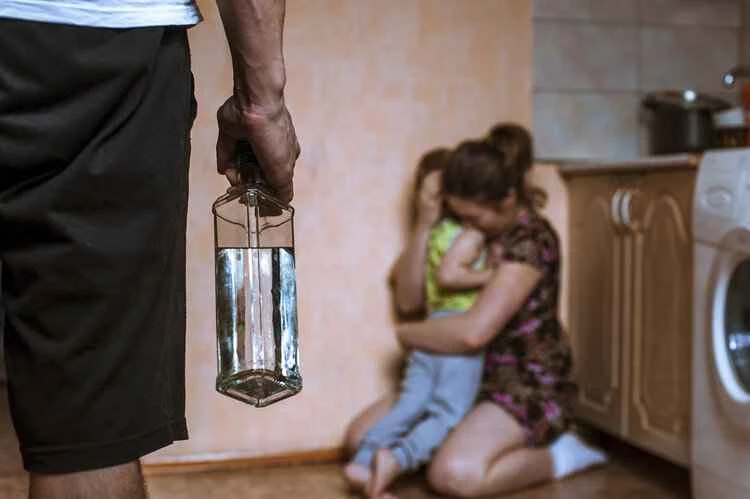
In the days that followed, her husband argued with her almost every day, leaving her, who was undergoing chemotherapy and radiation therapy, feeling utterly exhausted. Yu Feifei understood that although her husband had never mentioned medical expenses, never said he couldn't accept her missing breast, and never brought up divorce, everything he did made her feel like he was forcing her to divorce him. .
Yu Feifei never imagined that her marriage would come to this.
Six months later, Yu Feifei asked her husband for a divorce. He seemed to suddenly sober up and blankly replied with "okay," ending their 20-year marriage.
3. Is it necessary to have a mastectomy to save one's life?
For patients who undergo mastectomy, facing themselves and their partners with a "disfigured" body is a tremendous psychological test and burden. Does having breast cancer always necessitate mastectomy?
Clinically, surgery is the preferred treatment for early and mid-stage breast cancer. Previously, breast cancer surgery required the removal of the entire breast, pectoralis major and pectoralis minor muscles, and costal cartilage, as well as the removal of axillary and internal mammary lymph nodes.
However, with the development of medicine, current breast cancer surgery is a modified radical mastectomy , which has two methods: one is to remove the pectoralis minor muscle and preserve the pectoralis major muscle; the other is to preserve both the pectoralis major and pectoralis minor muscles.
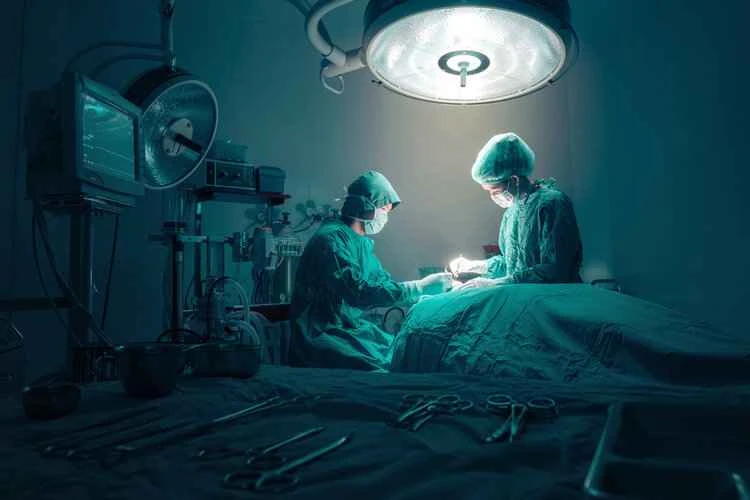
In addition, breast-conserving treatments are becoming increasingly common . The surgery only removes the lump and some surrounding tissue to ensure that cancer cells do not spread, and the entire breast is generally not removed.
Breast cancer treatment is not a one-size-fits-all approach of surgical removal, but rather an individualized treatment plan based on the patient's specific situation. Breast-conserving surgery can be considered when the tumor is small, located far from the nipple and areola, or when the tumor has shrunk significantly after modern adjuvant chemotherapy.
However, if a patient experiences any of the following conditions, surgical removal is recommended in a timely manner.
1. The lump grows too quickly
This condition is prone to becoming cancerous, and if treatment is delayed, the postoperative trauma will inevitably increase.
2. Patients planning to become pregnant
During pregnancy, high estrogen levels can stimulate tumors to grow and spread rapidly, so it is generally recommended to remove breast lumps before pregnancy.
3. Postmenopausal women
Postmenopausal women are at high risk of breast cancer. If a malignant lump is found in the breast, it is recommended to have it removed as soon as possible.

Further Reading: How Much Do You Know About Breast Cancer Symptoms?
Generally, the symptoms of breast cancer include the following:
• Lumps, tenderness, localized thickening, or abnormal asymmetry in the breast;
• Abnormal discharge (excluding breast milk), especially bloody discharge, from the nipple skin;
• Changes in breast skin, such as peeling, redness, erosion, abnormal lines like "orange peel" or "dimples";
• A movable, scattered, or hard lump appears in the armpit.
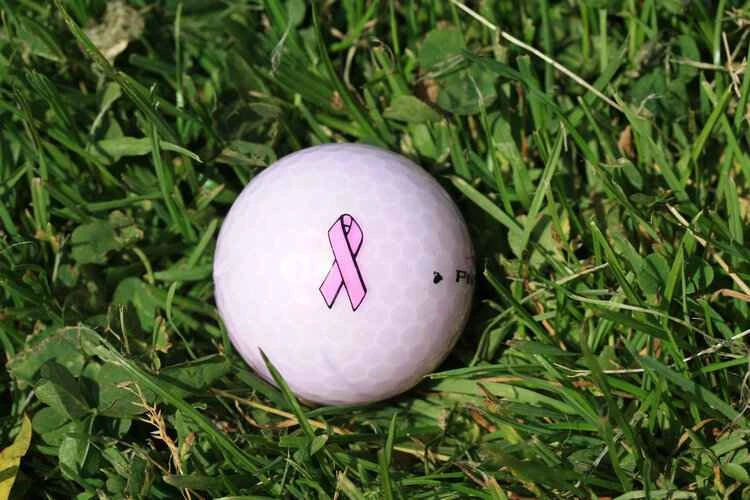
Breast cancer is the most common malignant tumor in women. Although most breast cancers are not life-threatening, they can still cause psychological distress to patients, such as panic, torment, anxiety, and depression.
We should understand breast cancer patients and give them more care. At the same time, we should also take preventive measures and seek medical attention as soon as possible if any abnormal symptoms are found.
References:
[1] One person dies from breast cancer every 40 seconds! Men and women should be wary if they experience these 4 symptoms… MedSci, 2021-10-04
[2] Is breast cancer surgery always necessary to remove the breast? Medical Oncology Channel, 2015-10-09
[3] Early-stage breast cancer: preserve the breast if possible. Guangzhou Daily, 2018-04-08