26-year-old Xiaojia has recently been experiencing a stinging sensation when urinating, her urine is yellow and cloudy, and she feels weak all over after urinating.
One time after urinating, she was in so much pain that she couldn't even stand up. She immediately asked her boyfriend to accompany her to the hospital. After a urine test, it was discovered that she had a urinary tract infection.
Upon questioning, the doctor discovered that she hadn't been paying attention to hygiene in her private parts, and sometimes she hadn't cleaned herself after having sex with her boyfriend, which led to a urinary tract infection.

What are the symptoms of a urinary tract infection?
Urinary tract infection, also known as urinary system infection, is an infectious disease caused by the abnormal proliferation of pathogenic microorganisms in the urinary system.
Urinary tract infections are divided into upper tract infections and lower tract infections . Lower tract infections are a type of cystitis and are more common. Upper tract infections are a type of pyelonephritis, and the symptoms of the two are quite different.
In the early stages of a urinary tract infection, symptoms may not be obvious. However, if the following abnormalities occur, be alert to the possibility of a urinary tract infection:
Cystitis: Approximately 60% of urinary tract infection patients have cystitis, with symptoms often including urinary urgency, frequency, and pain , which are signs of bladder irritation.
Each urination produces a small amount of urine, but the frequency of urination is high, 1-2 times per hour, and some patients urinate as many as 5 times or more . In severe cases, urinary incontinence and urinary retention may occur.

In addition, patients often experience significant urinary urgency, finding it difficult to control the urge and feeling an urgent need to urinate. They also experience burning and pain in the urethra, phalanges, and perineum during urination. A small number of patients with urinary tract infections may also experience lower back pain.
Pyelonephritis: Some urinary tract infections are usually acute pyelonephritis. In addition to symptoms of cystitis such as frequent urination, urgency, and painful urination, patients may also experience symptoms such as high fever and chills . In severe cases, it can lead to kidney disease.
Why are women more prone to urinary tract infections?
Clinical experience suggests that approximately 50% of women have experienced a urinary tract infection, a fact determined by the physiological characteristics of women.
First, compared to men, women's urethras are wider, straighter, shorter, and more relaxed, and are located closer to the anus. This allows a large number of bacteria to accumulate in the genital area and around the anus, making it easier for bacteria to enter the urethra and cause urinary tract infections.

Secondly, urinary tract infections are related to women's unique physiological activities. Menstruation is a normal physiological phenomenon for women, but if women do not pay attention to hygiene and care during menstruation, menstrual blood can easily breed bacteria, leading to vaginitis and triggering urinary tract infections. In addition, hormonal changes and urethral mucosal changes during menstruation make it very easy for bacteria to multiply and cause urinary tract infections.
Finally, women are also prone to urinary tract infections during pregnancy. This is because the enlarged uterus during pregnancy puts pressure on the bladder and ureters. In addition, hormonal changes during pregnancy slow down the peristalsis of the ureters, making it easier for bacteria to invade and cause acute urinary tract infections.
How should a urinary tract infection be treated?
There are many types of pathogens that can cause urinary tract infections. To treat a urinary tract infection, you need to go to the hospital for a bacterial culture to determine which bacteria is causing the infection, and then treat the symptoms accordingly.
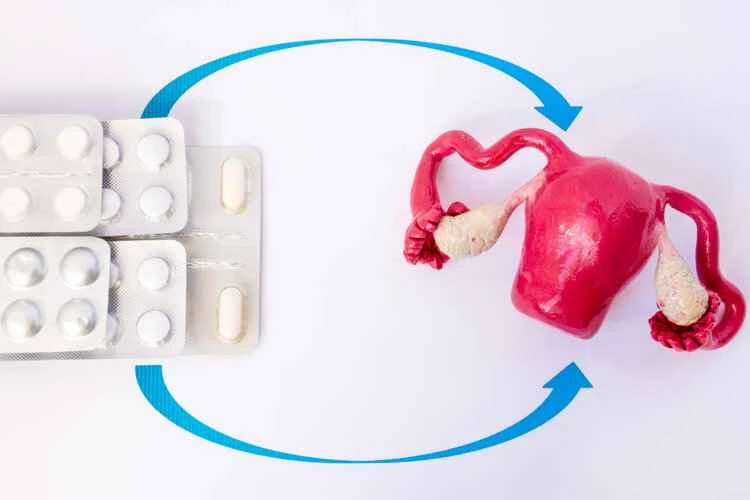
In clinical practice, urinary tract infections caused by bacteria are quite common. These patients require appropriate antibiotic treatment ; common medications include azithromycin, levofloxacin, doxycycline hydrochloride, and metronidazole .

It is important to note that antibiotics should not be used indiscriminately and should be taken under the guidance of a doctor. They should also not be used indiscriminately unless the urinary tract infection is clearly caused by a bacterial infection.
In addition to medication, patients with urinary tract infections should drink plenty of water , as frequent water intake is very effective in treating acute urinary tract infections. They should also avoid holding their urine; frequent urination allows urine to continuously flush the urethra, helping to expel some bacteria from the body.

Treatment of urinary tract infections also requires attention to personal hygiene . Regularly clean the private parts, change underwear frequently, and use panty liners sparingly. Pay extra attention to local cleaning and care during menstruation.
If a patient has recurrent urinary tract infections due to stones, obstruction, or other reasons, they need to take low-dose antibiotics as prescribed by their doctor and actively treat the underlying disease .
In fact, Na believes that urinary tract infections in women are similar to prostatitis in men, often caused by the unique characteristics of the reproductive organs, leading to frequent and urgent urination. However, women with urinary tract infections should never self-medicate; it is best to seek appropriate treatment at a hospital.
References:
[1] "Why are women more prone to urinary tract infections?" Guangzhou Daily. 2018-03-12
[2] "Why do urinary tract infections favor women?". Family Doctor Online. 2018-12-03
[3] "How to Treat Urinary Tract Infections". People's Daily Online - Life Times. 2016-04-25
Reproduction without the author's permission is prohibited.