Uterine prolapse is a familiar issue for women who have experienced pregnancy. Generally, women who have been pregnant multiple times or have had difficult labors are more prone to uterine prolapse than women with fewer pregnancies. Uterine prolapse can cause significant harm to a woman's health and must be managed with care. So, what should be done about postpartum uterine prolapse? How is postpartum uterine prolapse treated?
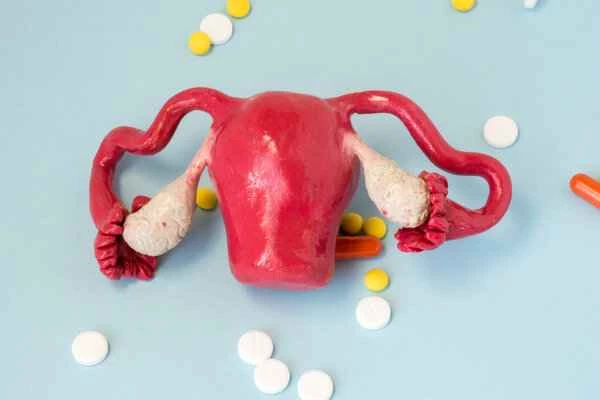
What to do about postpartum uterine prolapse?
(1) General Rehabilitation Therapy
What to do about postpartum uterine prolapse? Female patients should pay attention to improving their physical condition, strengthening nutrition, getting adequate rest, balancing work and rest, and maintaining regular bowel movements. Avoid putting pressure on the lower abdomen to increase abdominal pressure and avoid heavy physical labor.
(2) Adjust your diet
Regarding the question of what to do about postpartum uterine prolapse, we need to know that uterine prolapse refers to the inability of the uterine wall to contract and recover properly, causing it to droop into the vagina, and in severe cases, it may extend outside the body. In such cases, women need to adjust their diet and try to eat more foods that can replenish qi and are rich in nutrients. Foods that replenish qi include ginseng, yam, potatoes, honey, etc.
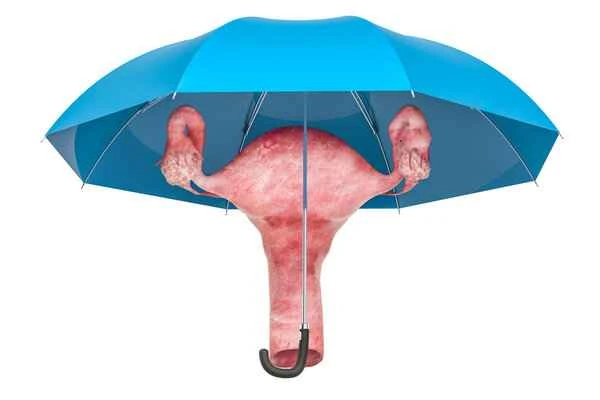
(3) Exercises to contract the anus
When performing this exercise, you can lie flat, sit, or stand. The most important thing is to relax your whole body. Then, place the tip of your tongue against the junction of your groin and jaw, close your mouth, and inhale while simultaneously contracting your anus. Alternate between contracting and relaxing, inhaling when contracting and exhaling when relaxing. It is recommended to do this 1-2 times a day, for 15 minutes each time.
(4) Use of a pessary
What to do about postpartum uterine prolapse? Inserting a pessary into the vagina in conjunction with general treatment is suitable for patients with grade I or II mild uterine prolapse and moderate vaginal wall prolapse. Commonly used types include trumpet-shaped, ring-shaped, spherical, and bulbous-mushroom-shaped pessaries.
The above is an introduction to what to do about postpartum uterine prolapse. The severity of postpartum uterine prolapse varies from woman to woman, so the treatment methods will also differ. However, it is essential to take appropriate measures based on your own situation in order to improve your health.