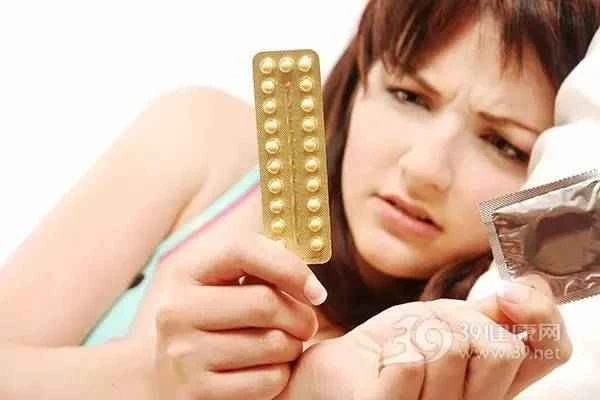
It is well known that many women experience mood swings during their menstrual cycle, especially before and during menstruation, when they may feel very depressed or irritable. During the menstrual cycle, both sex hormones and pituitary gonadotropins undergo a series of changes, which influence women's psychological activities and behaviors through certain neural mechanisms, causing mood changes.
1. From a biological perspective
From a biological perspective, this clearly involves the inherent fluctuations in sex hormones during the menstrual cycle. Depression is common in women during the premenstrual period, menopause, postpartum, and those taking birth control pills. It seems there must be some connection between sex hormones and depression.
2. Cultural literacy
Due to the long-term influence of traditional customs, women believe that premenstrual anxiety is inevitable. This is a result of cultural oppression of women, who often anticipate anxiety and low mood before their periods. Experimental studies have provided similar evidence: Women expecting their period in one week were told that doctors could use a new instrument to accurately predict the date of their next period. Participants were divided into three groups: Group 1 was told their period would occur in 1-2 days; Group 2 was told their period would occur in at least 7-10 days; and Group 3 received no information. They were then asked to report a series of premenstrual symptoms. The results showed that Group 1 experienced significantly more premenstrual edema, breast tenderness, and headaches than Group 2.
3. Hormone levels
Women with dysmenorrhea may have immature psychological development and exhibit neurotic personality traits. 70-80% of patients with dysfunctional uterine bleeding experience mood disorders and sexual problems, because stress can promote abnormal activity in the autonomic nervous system, leading to vascular changes and heavy bleeding.
Menstrual period mood relief measures
1. Do more aerobic exercise. Various aerobic fitness activities can reduce or even eliminate symptoms. Women who regularly engage in physical exercise experience a reduction in amenorrhea, depression, and anxiety.
2. Take supplements appropriately. Vitamin B6 and calcium and magnesium supplements can improve symptoms such as depression, irritability, headache, and bloating. However, excessive use of supplements can be harmful to the body, so they should be taken as directed by a doctor.
3. Reduce psychological stress. When women feel stressed, they are more likely to react to normal hormonal changes through physical symptoms and mood swings. Women who receive systematic relaxation and meditation training can significantly reduce their premenstrual irritability symptoms.
4. Eat more carbohydrate-rich foods. Carbohydrate-rich foods can increase serotonin levels in the brain and reduce negative mood reactions. Women experiencing premenstrual irritability should eat foods high in sugar and low in fat, such as whole grains, fruits, and vegetables. Carbohydrates help improve negative moods such as anxiety, tension, and depression, with whole grains being the most effective. Try to eat less fast food and snacks that are high in salt.
5. Limit your intake of caffeinated foods. Coffee, tea, chocolate, and certain foods containing soda all contain caffeine, which is associated with some premenstrual symptoms. The less caffeine you consume, the milder your premenstrual symptoms will be. Therefore, women should try to minimize their consumption of these foods during menstruation.
6. Avoid stimulating beverages. Caffeine can cause irritability and anxiety, and can also worsen breast tenderness in some women. Alcohol can also exacerbate the condition. Therefore, women experiencing premenstrual irritability should avoid these stimulating beverages for one week before their period.