Yesterday, the National Health Commission released the "China Maternal and Child Health Development Report (2019)". Among the most attention-grabbing data, in addition to the fact that the life expectancy of Chinese women will reach 79.4 years, another figure is also quite high - the national cesarean section rate in 2018 was 36.7%.
Whether it's to maintain their figure or to suffer less pain, many women request cesarean sections, believing that it makes them feel more "reassuring" than vaginal delivery.
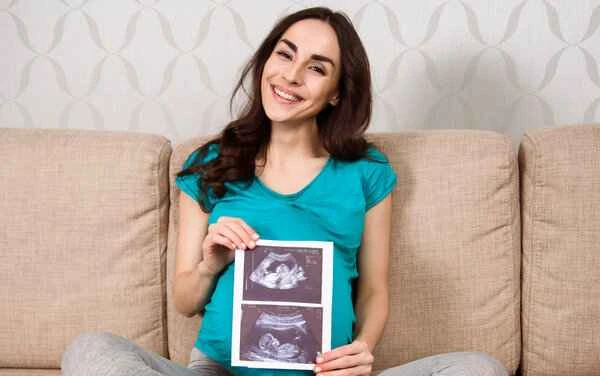
Is Cesarean section being "overused"? You clearly have better options.
Many hospitals and institutions have offered simulated childbirth pain experiences, and even tall, strong men have been shown to break out in a sweat from the pain, expressing their appreciation for the hardship of childbirth. However, this should not be a reason for you to insist on a cesarean section.
In 2018, the national cesarean section rate was 36.7%, and this was after reducing unnecessary cesarean sections and controlling the rate. Previously, my country's cesarean section rate had reached 46.2%, but nearly a quarter of these cases involved women who did not meet the criteria for a cesarean section and were "forced" to have one under strong pressure. If you choose a cesarean section because you are afraid of pain, it is actually unnecessary. First, a cesarean section is still painful, and postpartum recovery is not as fast as with vaginal delivery; second, my friend, consider pain relief during childbirth.

In developed Western countries, the rate of pain relief during childbirth reaches 85%, while in my country it is less than 10%. Last year, the National Health Commission also issued a document proposing to gradually promote pain relief during childbirth in order to reduce unnecessary cesarean sections. Pain relief during childbirth requires confirmation from both the expectant mother and the hospital. The expectant mother should be informed in advance of the advantages and disadvantages of various methods, and the most suitable method should be chosen after comprehensive consideration.
Labor analgesia is not just about helping you have a "painless childbirth." It works quickly, effectively relieves contractions, and can also alleviate the mother's fear of labor pains to some extent. In addition, mothers receiving labor analgesia can remain conscious during labor, eat normally, and better cooperate with the delivery process.
Next page: "Painless childbirth" is not something you can do whenever you want.