When women experience gynecological problems, they often need to undergo an ultrasound examination to detect the issue. This ultrasound is what we commonly refer to as a regular ultrasound. However, ultrasound examinations are actually categorized, and different examinations are required in different situations.
What is the difference between a transvaginal ultrasound and a regular ultrasound?
A vaginal ultrasound, also known as an intracavitary ultrasound, is a method of ultrasound diagnosis that involves inserting an ultrasound probe into the vagina or rectum . For pelvic organs within the small pelvis, a vaginal ultrasound can provide a clear view of any issues inside.
It can screen for conditions such as ovulation, benign or malignant tumors of the uterus and ovaries, ovarian cysts, chocolate cysts, etc., and has a wide range of functions.
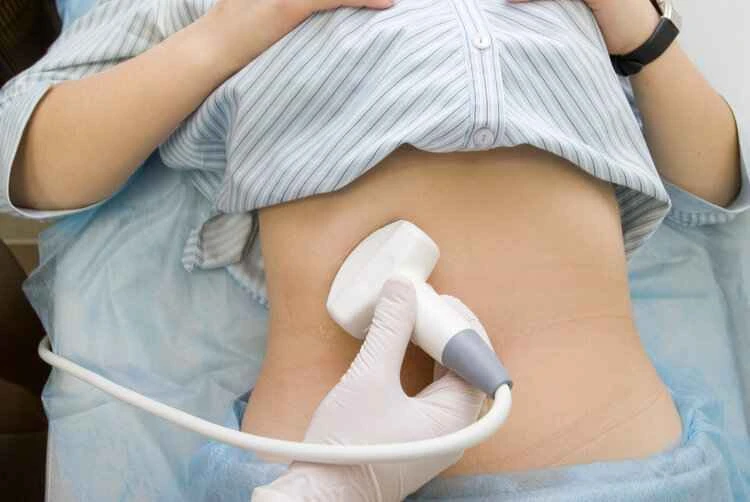
For a regular ultrasound, which is the most common transabdominal ultrasound in gynecology, the patient needs to drink about 1000ml of water half an hour to an hour before the examination and hold their urine to the maximum extent . The best time for observation is when the bladder can no longer "hold".
Transabdominal ultrasound uses a probe placed directly in the lower abdomen and can be used to examine the liver, gallbladder, pancreas, spleen, kidneys, prostate, uterus, and their adnexa . Besides requiring a full bladder, both methods have their own specific requirements.
Transvaginal ultrasound (TVE) uses a probe inserted into the vagina to examine the ovaries, uterus, fallopian tubes, pelvic cavity, and other organs. This means it is less susceptible to intestinal gas interference, resulting in more precise resolution. For endometrial lesions or to assess follicular development, TVE is more accurate than traditional ultrasound (B-scan ). Traditional ultrasound, on the other hand, places the probe in the lower abdomen and has a wider range of applications.
Vaginal ultrasound can detect more female diseases and can find problems that abdominal ultrasound cannot . It is also more suitable for patients with thickened abdominal walls, ovaries that are located too deep, or those who have difficulty with abdominal examination .
However, for abdominal tumors that are too large to be examined vaginally , an abdominal ultrasound is necessary. In general, both methods have their advantages and disadvantages. If the condition requires it, both methods can be used as advised by the doctor, complementing each other.

Two types of people are not suitable for transvaginal ultrasound.
The most important aspect of a transvaginal ultrasound examination is to ensure that the instrument probe can be successfully inserted into the vagina. Therefore, transvaginal ultrasounds cannot be performed on virgins or patients with vaginal malformations . If it is necessary to have one, the doctor must be informed in advance.
During menstruation, vaginal bleeding, mid-to-late pregnancy, or after a miscarriage, the vagina enters a special period and is more vulnerable. Therefore, transvaginal ultrasound is not recommended unless absolutely necessary. The optimal time for a transvaginal ultrasound is 3 to 7 days after the start of menstruation . At this time, the endometrium has recovered well, resulting in accurate results.
Inserting a foreign object into a narrow vagina is indeed embarrassing and uncomfortable. It's normal to feel a foreign body sensation during a transvaginal ultrasound examination. Depending on individual body structure and constitution, there may also be some pain , but this pain is not severe.
Furthermore, this pain is not guaranteed to occur; its occurrence depends primarily on the operator's actions and whether the patient has vaginal inflammation .
Unlike a regular ultrasound, a transvaginal ultrasound requires you to empty your bladder completely to get a clearer view of the uterus. Sexual intercourse should be avoided the day before the gynecological examination.
Sexual activity can affect a woman's endocrine and hormone secretion, which can affect the results of a transvaginal ultrasound. Women during menstruation are not suitable for transvaginal ultrasounds because the instrument needs to be inserted into the vagina.

Regardless of the type of ultrasound, its purpose is to help screen for gynecological diseases. The choice of which examination method to use mainly depends on the patient's individual circumstances. Of course, this should be based on a comprehensive consideration of the doctor's recommendation, personal situation, and physical condition.
Interactive question: Do you find ultrasound scans painful?
References
[1] "What is the difference between transvaginal ultrasound and abdominal ultrasound?" Zhihu - Xiaoxiao. 2019-01-14
[2] "Is a transvaginal ultrasound uncomfortable? Can't I have a regular ultrasound?". Women's Health Guide. 2020-06-13